Understanding Forex Spreads And Choosing The Right CFD Trading Platform
Forex trading involves several costs and decisions that can influence a trader's overall experience. Understanding forex spreads is particularly important because spreads directly affect the cost of entering and exiting positions. Traders should also understand how a works before choosing a suitable trading environment.
A spread represents the difference between the bid price and the ask price of a currency pair. The bid is the price at which a trader can sell, while the ask is the price at which a trader can buy. This difference is generally how brokers earn revenue through spread-based pricing.
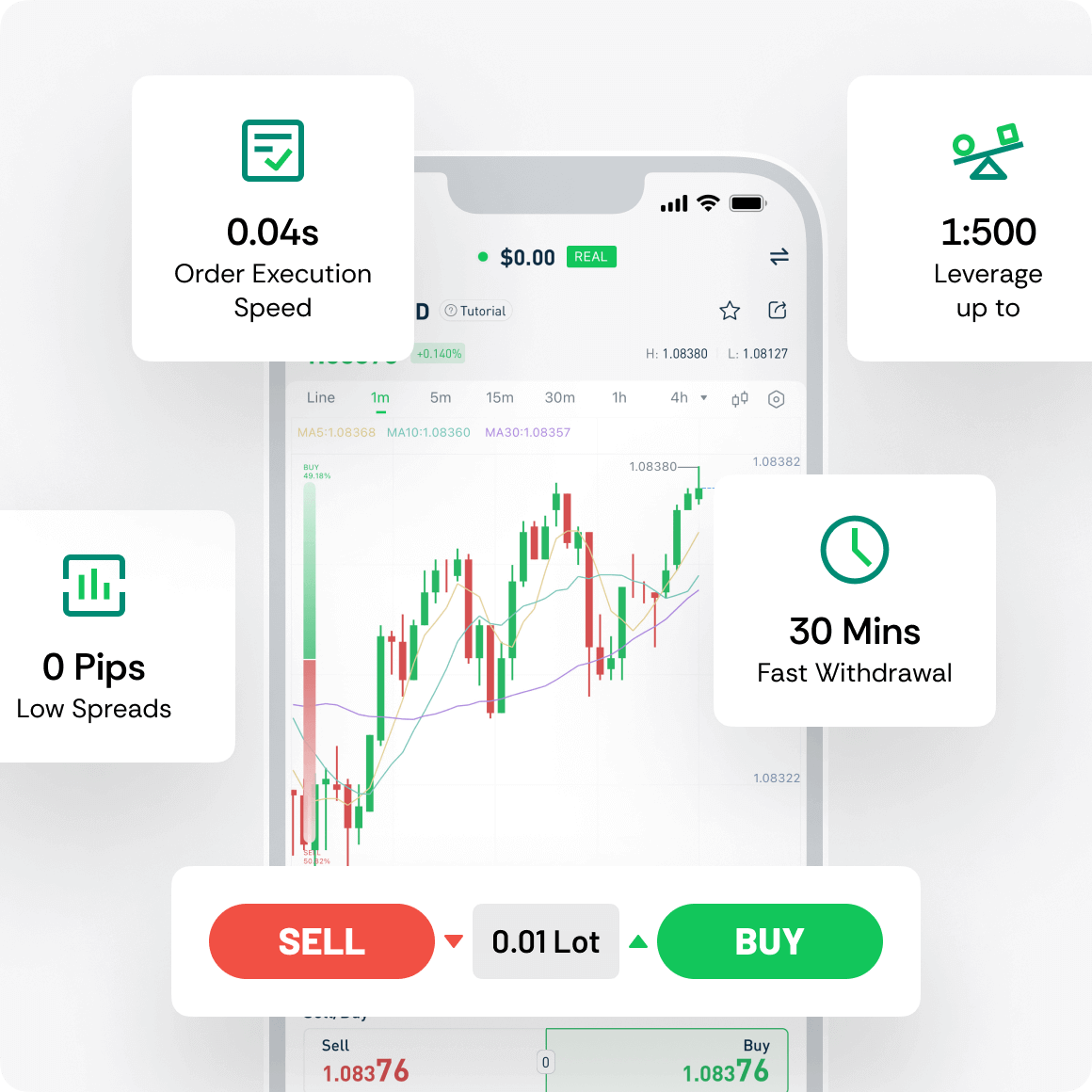
Spreads can vary depending on market conditions, currency pairs, and account types. Major currency pairs often have tighter spreads because they usually cfd platform experience higher trading activity. Less frequently traded pairs may have wider spreads, particularly during periods of reduced liquidity or unexpected market developments.
Market volatility also influences spreads. During major economic announcements, central bank decisions, or geopolitical events, prices can change quickly. Brokers may widen spreads during these periods because market liquidity becomes less predictable. Understanding these conditions helps traders plan their activities more carefully.
Choosing an appropriate trading environment is another important consideration. A cfd platform provides access to contracts for difference, allowing traders to speculate on price movements without owning the underlying financial asset. Depending on the provider, available markets may include currencies, commodities, indices, and other instruments.
A useful platform should provide clear price information, reliable order execution, charting tools, and account management features. Traders should also examine whether the platform offers educational resources and demo accounts. These features can help beginners understand trading functions before committing real money.
Risk management deserves equal attention. Even when spreads appear small, frequent transactions can increase cumulative trading costs. Traders should consider position sizes, stop-loss orders, and their overall exposure before opening positions. Leverage can increase both potential gains and potential losses.
It is also important to review broker conditions rather than selecting a service based only on advertising. Regulation, withdrawal procedures, customer support, and transparent pricing are essential factors. Traders should carefully read the provider's terms and understand the risks associated with leveraged products.
Ultimately, successful trading requires more than finding low costs. Understanding pricing structures and choosing suitable technology can support better decisions. By comparing forex spreads and evaluating the features of a reliable cfd platform, traders can develop a more informed approach to the financial markets.

Comments
Post a Comment