Understanding Forex Leverage And The Meaning Of CFDs In Trading
Financial markets provide different ways to participate in price movements, but understanding the products involved is essential. The relationship between forex and leverage is particularly important because borrowed market exposure can increase both gains and losses. Learning what also helps beginners understand how derivative contracts operate.
Forex trading involves exchanging one currency for another through currency pairs. Traders may analyse exchange rates and take positions based on expectations about future price movements. The market is influenced by economic developments, interest rates, political events, and international financial activity.
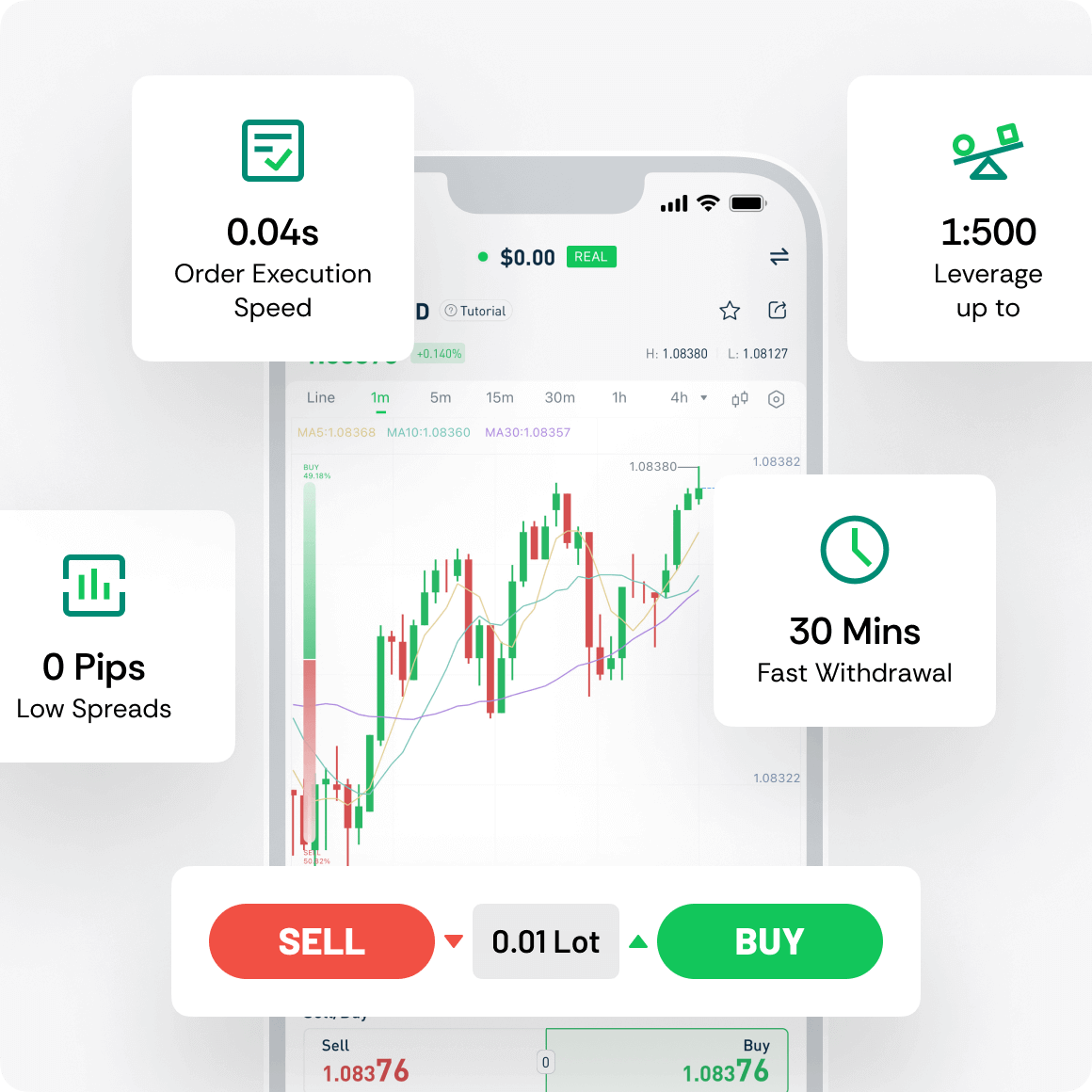
Leverage allows traders to control a larger position using a smaller amount of capital. For example, cfd means in trading leverage of 1:10 means that a trader may obtain exposure worth ten times the initial margin, subject to the broker's conditions and applicable regulations.
Although leverage can increase potential returns, it also magnifies losses. Even a relatively small adverse price movement can have a significant impact on the account balance. Traders should therefore understand margin requirements and the possibility of forced position closure.
CFD stands for Contract for Difference. It is a derivative agreement in which the difference between the opening and closing prices of an underlying instrument determines the financial result. The trader does not generally own the underlying asset through the contract.
CFDs may provide access to different markets, including currencies, stock indices, commodities, and certain digital assets. Depending on the provider, users may speculate on rising or falling prices by opening long or short positions.
One important characteristic of CFDs is their leveraged structure. Traders may need to deposit only a percentage of the total position value as margin. However, the remaining market exposure still affects the financial result.
Costs can include spreads, commissions, overnight financing, and other applicable charges. These expenses should be reviewed before opening a position because holding a leveraged contract over several days may create additional costs.
Risk management should be central to every trading decision. Position sizing, stop-loss orders, and maximum exposure limits can help traders manage potential losses. However, stop-loss orders may not always execute at the requested price during extreme market conditions.
Before using a CFD service, individuals should investigate the provider's regulatory status and understand the protections available in their jurisdiction. They should also read the product documentation and confirm whether CFDs are suitable for their financial circumstances.
Understanding forex and leverage alongside knowing what cfd means in trading provides a stronger foundation for evaluating derivative markets. Careful research, realistic expectations, and responsible risk management remain essential because leveraged trading can result in substantial financial losses.

Comments
Post a Comment