Understanding Currency Markets And The Best Times To Trade Globally
Currency trading is one of the most active financial markets worldwide, attracting participants who want to understand exchange rates and international economic movements. Traders buy and sell currency pairs based on changing market conditions, economic announcements, and supply and demand. Understanding market timing can help traders make more informed decisions.
The foreign exchange market operates almost continuously from Monday to Friday. Unlike traditional stock exchanges, it does not depend on one central trading location. Instead, financial institutions, banks, businesses, and individual traders participate through international trading centres.
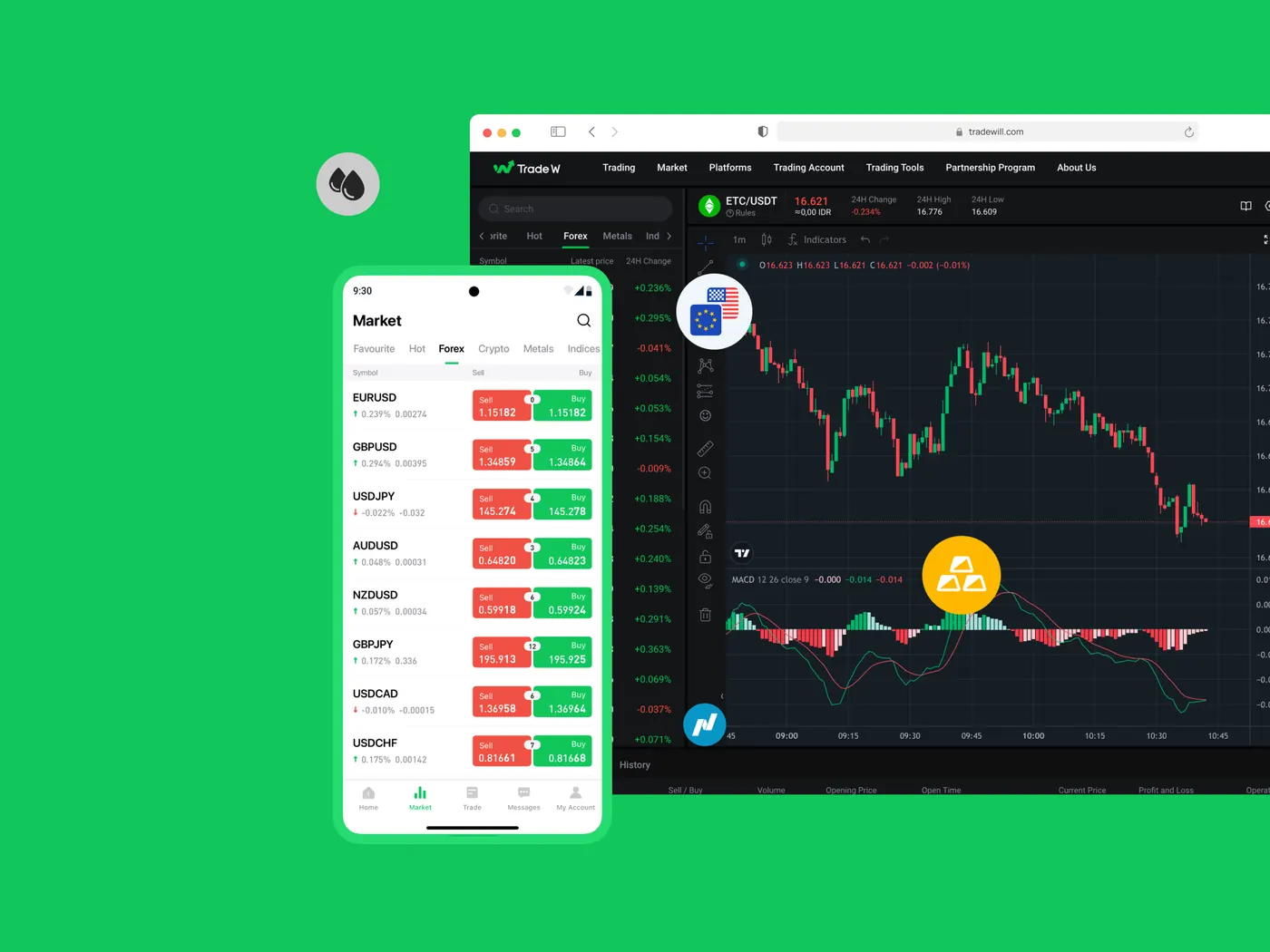
Every currency pair contains two currencies. For example, EUR/USD represents the euro against the US dollar. When the exchange rate increases, the euro becomes stronger relative to the dollar. When it decreases, the dollar gains strength against the euro.
Market activity changes throughout the day because different financial centres open and close. London, New York, Tokyo, and Sydney are among the major trading centres. Their operating hours influence liquidity, volatility, and the number of active market participants.
Understanding trading sessions is particularly important for beginners. Some periods offer greater market activity, while others experience relatively quiet price movements. However, higher activity does not automatically mean better trading opportunities.
The Asian market session is an important part of the global foreign exchange schedule. It includes activity from financial centres such as Tokyo, Sydney, and other regional markets. Currency pairs involving the Japanese yen, Australian dollar, and New Zealand dollar may receive additional attention during this period.
Traders should also understand that economic announcements can influence prices significantly. Interest rate decisions, employment figures, inflation reports, and central bank statements can create sudden movements. Checking an economic calendar before entering a position helps traders prepare for potential volatility.
Risk management should remain a priority regardless of market conditions. Traders can consider stop-loss orders, appropriate position sizes, and realistic trading objectives. Using excessive leverage may increase potential losses, making careful planning essential.
A trading platform can provide charts, indicators, historical prices, and order-management tools. These features help users study market behaviour and develop strategies. Practising with a demo account can also help beginners understand how orders work without immediately risking real money.
The Asian session has its own characteristics, including changing liquidity and regional economic influences. Learning the forex asian session time helps traders understand when particular currency markets become active. Combining session knowledge with disciplined analysis can support a more structured approach to currency trading.

Comments
Post a Comment