Understanding CFD Trading Strategies And Managing Financial Market Risks
Contracts for difference have become a recognised part of online financial markets. A cfd trade allows participants to speculate on price movements without generally owning the underlying financial instrument. Understanding how products work is essential before using these contracts because leverage, market volatility, and transaction costs can create significant financial risks.
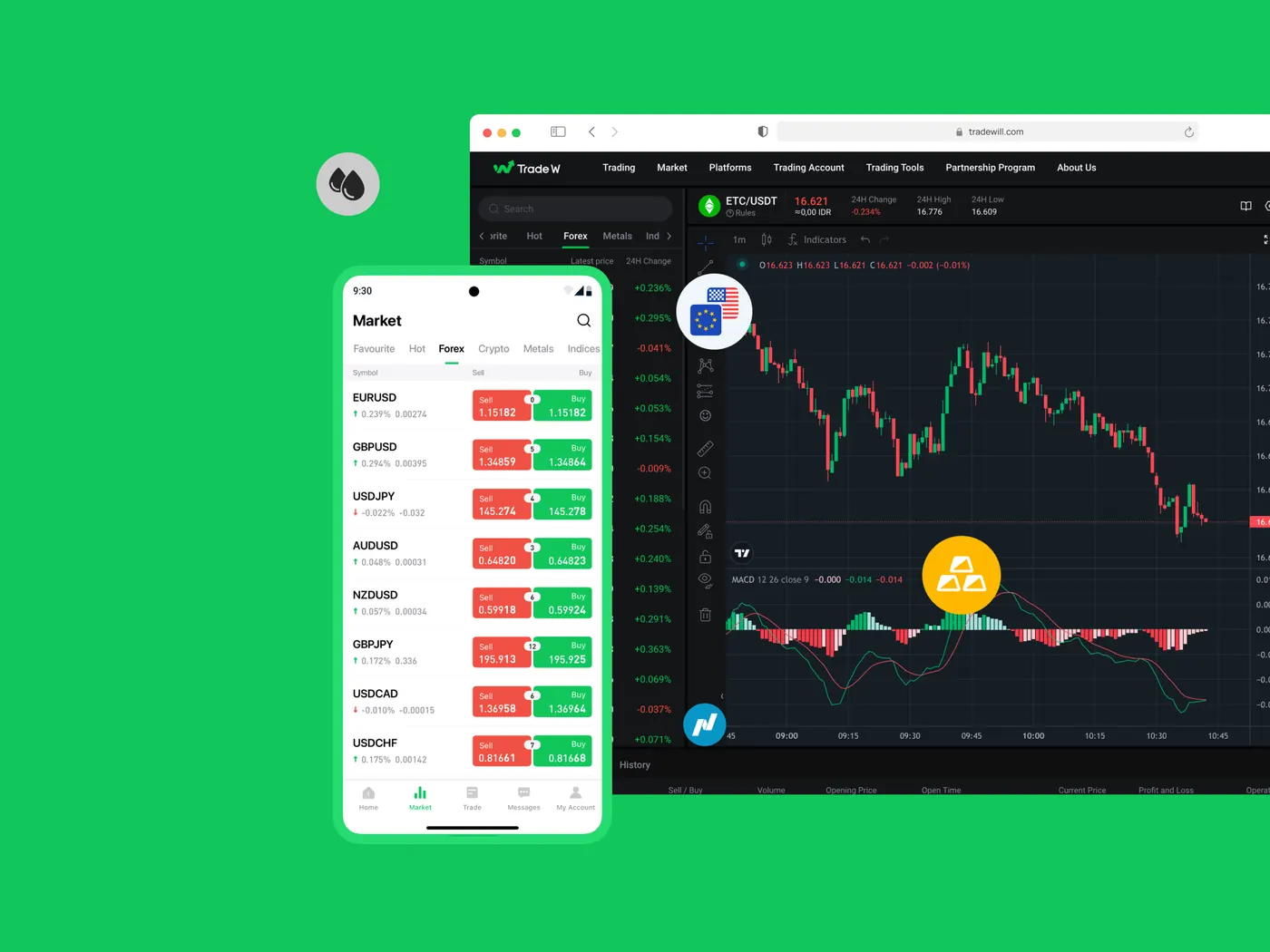
A Contract for Difference is an agreement between a trader and a provider based on the difference between an instrument's opening and closing prices. If the market moves in trading cfd the trader's chosen direction, the position may produce a gain before applicable charges. An adverse movement can result in a loss.
CFDs may provide access to several financial markets. Depending on the provider, available instruments can include forex currency pairs, commodities, stock indices, individual shares, and cryptocurrencies. This variety allows users to study different markets through a single trading environment.
One characteristic of CFD products is the ability to speculate on rising and falling prices. Traders may open a long position when expecting an asset's value to increase or a short position when anticipating a decline.
Leverage is another important feature. It allows traders to control a larger market position with a smaller initial margin. However, increased exposure also magnifies the effect of price changes, making risk management particularly important.
Before opening a position, traders should understand the provider's margin requirements. If the account balance falls below the required level, the broker may close positions according to its margin policies. This can happen during periods of rapid market movement.
Transaction costs should also be considered. Spreads, commissions, overnight financing, and other applicable charges may influence the final result. Traders should compare these expenses across providers and examine the terms associated with different instruments.
Research plays an important role in developing a trading approach. Technical analysis involves examining charts, price patterns, support levels, resistance levels, and indicators. Fundamental analysis focuses on economic reports, interest rates, company information, and wider market developments.
A demo account can help beginners understand how CFD platforms operate. Users can practise placing orders, monitoring positions, and applying risk-management tools with virtual funds. However, simulated results cannot guarantee similar performance in live markets.
Risk management should guide every decision. Traders may use stop-loss orders, position-size calculations, and maximum exposure limits to organise their activities. Nevertheless, sudden price gaps and volatile conditions can affect execution prices.
Choosing a provider also requires careful investigation. Regulatory status, customer support, pricing transparency, withdrawal conditions, and platform security should all be reviewed before depositing money.
Understanding how a cfd trade works and learning the practical requirements of trading cfd products can help individuals approach derivative markets more responsibly. Education, realistic expectations, and careful risk controls are essential because leveraged contracts can lead to substantial losses.

Comments
Post a Comment