Understanding CFD Contracts And Bitcoin Currency Market Movements
Modern financial markets offer several ways to participate in price movements without following traditional ownership-based investment methods. Understanding cfd trading meaning is important for anyone exploring derivatives because these contracts allow traders to speculate on changes in an underlying asset's value.
A contract for difference, commonly known as a CFD, is an agreement between a trader and a provider to exchange the difference between an instrument's opening and closing prices. The trader generally does not own the underlying asset.
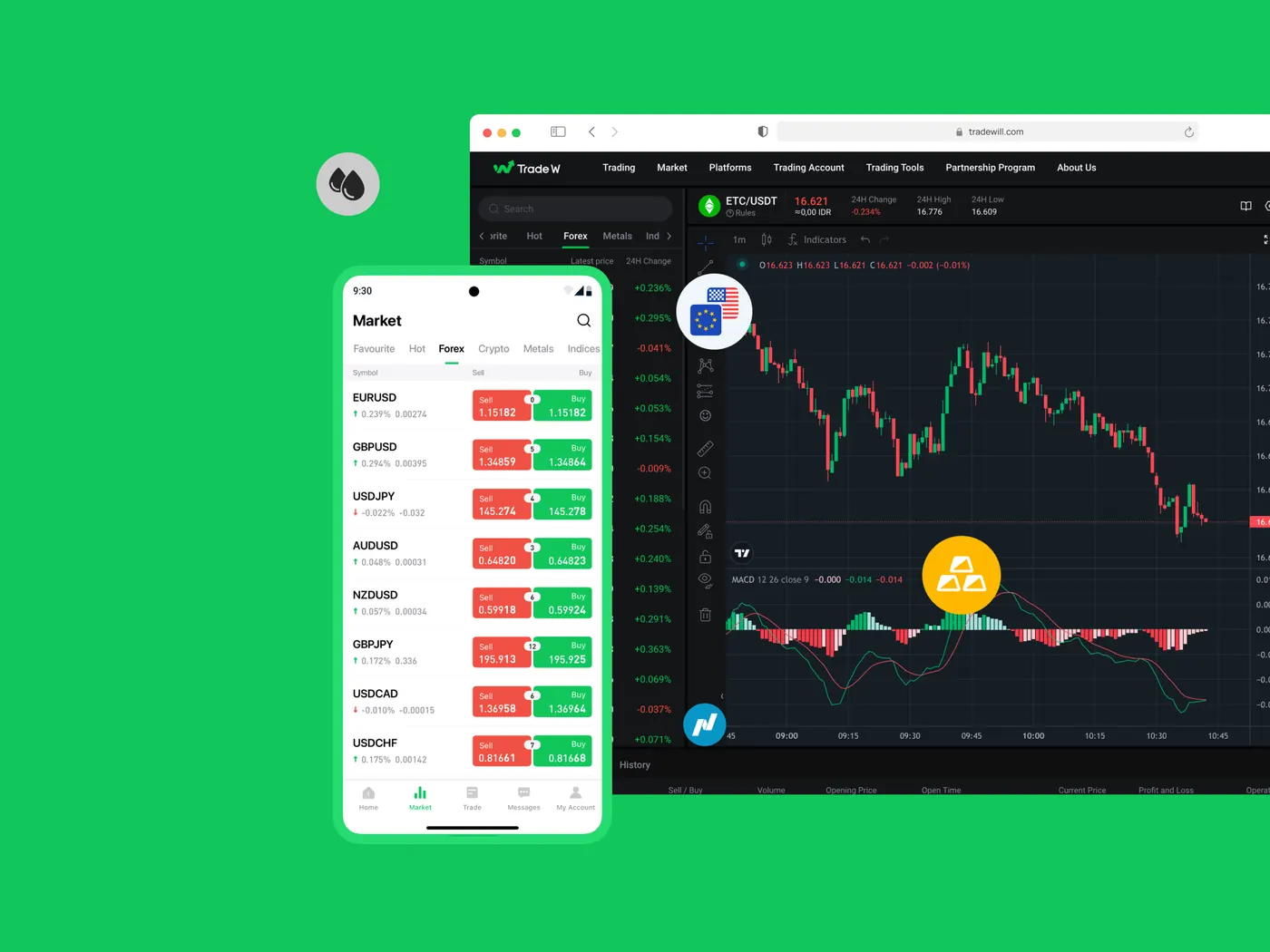
CFDs are available across various markets, depending on the provider's permissions and product range. These may include foreign exchange pairs, stock indices, commodities, and selected cryptocurrencies.
For example, a trader may open a CFD position when a stock index is valued at 5,000 points. If the index rises to 5,050 points, the position may produce a gain when the trader has correctly predicted the direction. If the index falls, the position may generate a loss.
These products can provide access to different markets through one account. However, their flexibility comes with risks that should be understood before trading.
Leverage is a significant feature of many CFD products. It allows users to control a larger position with a smaller initial margin. Although this can increase potential returns, it also magnifies losses and may cause funds to disappear quickly.
Trading costs should also be examined. Spreads, commissions, overnight financing, and currency conversion charges may affect the final financial result. Different providers can have different pricing structures and execution policies.
Bitcoin has become another widely discussed financial instrument because of its decentralised structure and changing market value. It operates using blockchain technology, which records transactions through a distributed network.
Bitcoin's price is influenced by supply and demand, market sentiment, regulatory developments, institutional participation, and broader economic conditions. Its market operates continuously, including weekends and public holidays.
The phrase bitcoin fx is sometimes used when searching for Bitcoin-related foreign exchange or derivative trading services. However, Bitcoin is a cryptocurrency rather than a traditional fiat currency issued by a central bank.
There are different ways to gain exposure to Bitcoin. Individuals may purchase the actual cryptocurrency through a suitable exchange or speculate on its price through derivatives where legally available. These methods have different ownership arrangements and risks.
Direct ownership requires attention to digital wallet security, private keys, transaction fees, and platform reliability. Derivative products introduce additional considerations, including leverage and financing costs.
Both Bitcoin and CFDs can experience substantial price volatility. Unexpected announcements, market liquidity changes, and shifts in investor sentiment may produce rapid price movements.
Beginners should research providers carefully and verify their regulatory status. Practising through a simulated account can also help them understand order placement and market analysis before considering real-money transactions.
Understanding cfd trading meaning provides a foundation for evaluating leveraged financial products, while learning about bitcoin fx helps clarify cryptocurrency-related market exposure. Both require realistic expectations, independent research, and responsible risk management.

Comments
Post a Comment