Understanding Business Calculations And Opportunities In Online Trading
Financial decision-making requires more than identifying market opportunities. Traders and business owners need to understand calculations, expenses, and potential returns before making important decisions. A profit margin calculator can simplify financial analysis by showing how much revenue remains after accounting for relevant costs.
Profit margin represents the percentage of revenue that remains after expenses are deducted. It is commonly used by businesses to evaluate profitability and compare financial performance across products, services, or periods.
The basic formula for gross profit margin is gross profit divided by revenue, multiplied by 100. For example, if a business generates $10,000 in revenue and spends $6,000 on the cost of goods sold, its gross profit is $4,000. The gross profit margin is therefore 40%.
Different margin measurements provide different insights. Gross profit margin focuses on production or purchasing costs, while operating profit margin also considers operating expenses. Net profit margin includes additional expenses, taxes, and other relevant financial items.
A calculator can make these calculations faster and easier. Users can enter revenue and costs to estimate their margins without manually repeating the formula. This is especially useful for small businesses managing several products or pricing structures.
Financial markets also require careful calculations. Trading costs, spreads, commissions, financing charges, and currency conversion fees can affect overall performance. Traders should understand these expenses when evaluating potential positions.
Online trading allows individuals to access financial instruments through internet-based platforms. Depending on the provider and local regulations, these instruments may include currency pairs, commodities, stock indices, and other derivatives.
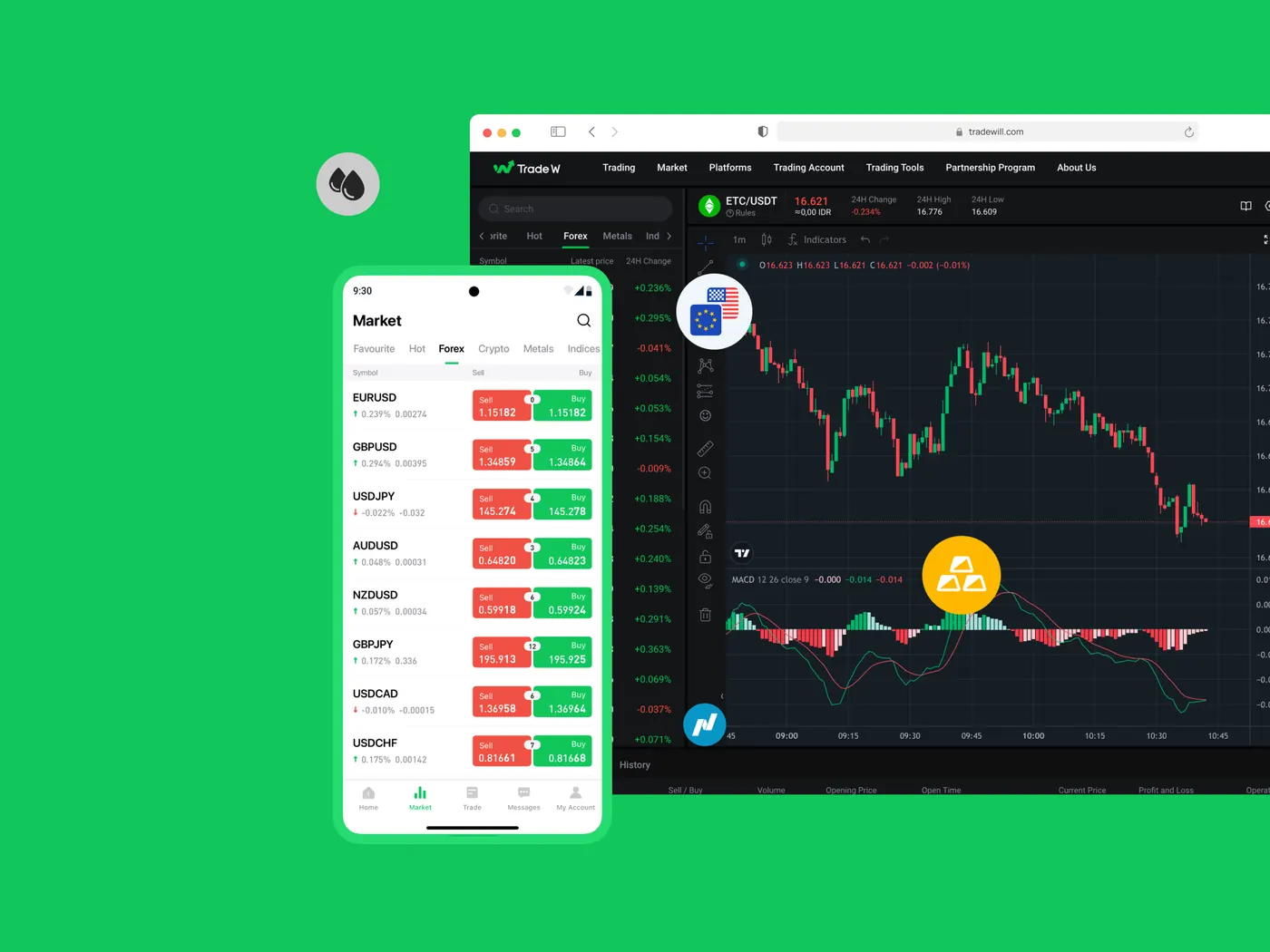
Modern platforms provide charting tools, market information, account dashboards, and order-management functions. These features help users monitor market conditions and manage their trading activities from different devices.
However, accessibility should not be confused with profitability. Market prices can change rapidly, and leveraged products can magnify both gains and losses. Users should understand the risks before depositing money.
A structured approach involves setting financial limits, studying market information, and maintaining accurate transaction records. It is also important to distinguish between investment capital and money required for everyday expenses.
Business owners can use margin calculations when reviewing pricing strategies, while traders can use separate trading calculators to understand potential exposure. Although the underlying calculations may differ, both activities benefit from accurate financial information.
Beginners should also be cautious about websites promising guaranteed returns or unrealistic income. Legitimate financial services explain their risks and costs instead of relying on exaggerated promotional statements.
Financial awareness supports better decisions in business and markets. Using a profit margin calculator can improve understanding of profitability, while careful research and risk management remain essential when participating in online trading.

Comments
Post a Comment