Understanding Automated Forex Trading And The CFD Currency Market
Technology has changed how individuals access financial markets, making automated systems increasingly visible in modern trading. The concept of forex auto trading involves using software to identify market conditions and execute orders according to predefined instructions. Understanding this approach alongside trading can help investors evaluate available opportunities and risks.
Automated forex systems are designed to follow specific trading rules. These rules may use technical indicators, price movements, or other market information to identify potential entry and exit points. Once configured, the software can monitor markets and perform actions without requiring constant manual input.
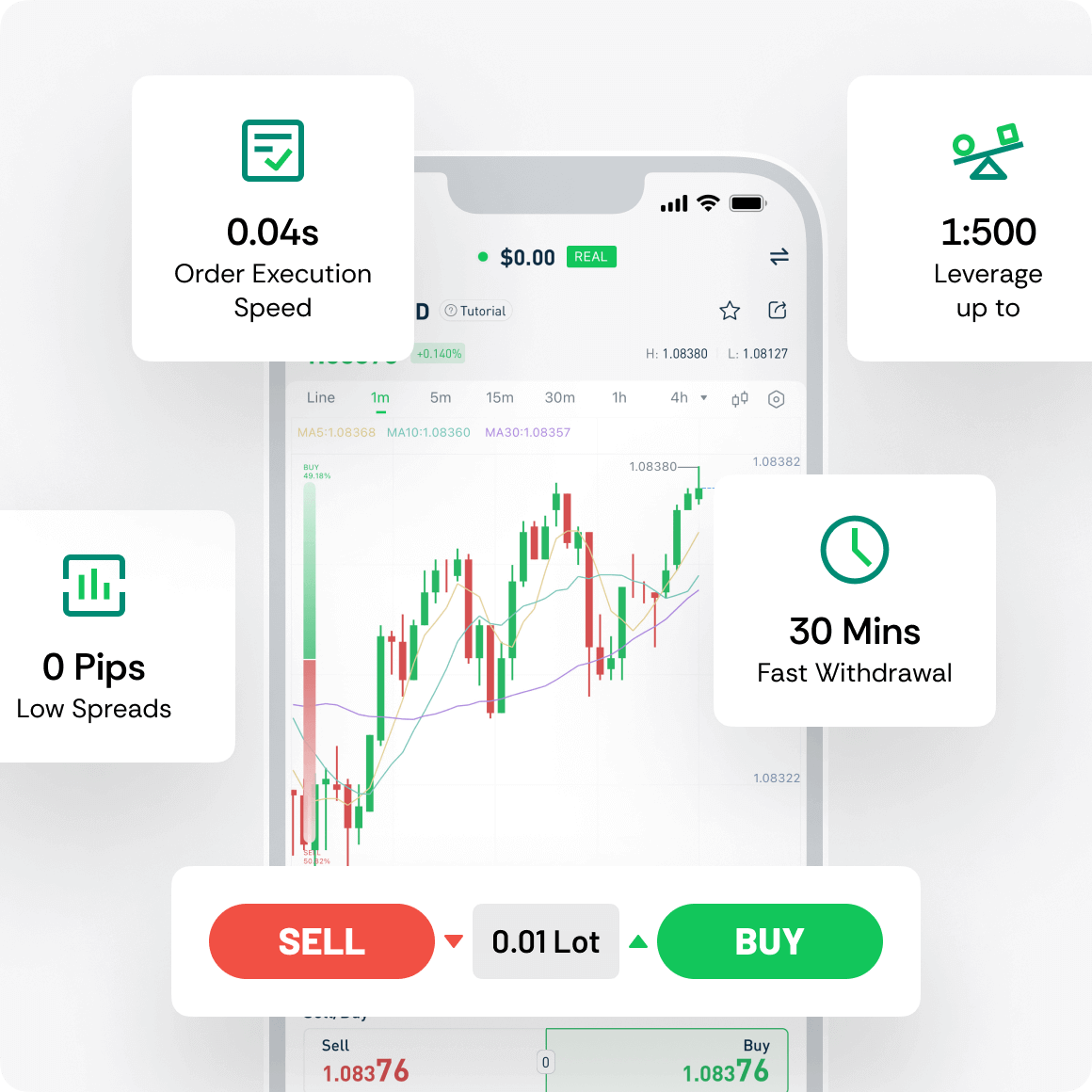
Some automated tools are simple alerts, while others can execute trades directly through compatible platforms. Their functions depend on the software, cfd forex broker, and strategy selected. Traders should understand the system's logic before allowing it to manage real-money positions.
Automation does not remove financial risk. A system may perform poorly when market conditions change, particularly if it relies on historical patterns that no longer apply. Technical failures, internet interruptions, incorrect settings, and unexpected volatility can also affect trading outcomes.
CFD forex trading involves contracts for difference based on currency price movements. Instead of purchasing or selling physical currency, traders enter a contract that reflects changes in the underlying exchange rate. This structure allows speculation on both rising and falling prices, depending on the position taken.
Leverage is commonly available with CFDs, allowing traders to control a larger market position using a smaller initial deposit. However, leverage also increases exposure to losses. Depending on the account and jurisdiction, losses can occur quickly when prices move against a position.
Anyone considering automated trading should begin with research and testing. A demo account can help users evaluate how a strategy behaves under simulated conditions. They should examine historical performance carefully and avoid relying entirely on promotional profit claims.
Risk controls are essential when using automated software. Traders should understand maximum position sizes, stop-loss settings, account exposure, and the conditions that trigger trades. Monitoring the system regularly is also important because automation does not guarantee that every decision will be appropriate.
Broker selection matters as well. Execution quality, platform compatibility, pricing transparency, and regulatory status can influence the overall experience. Traders should review the software provider's reputation and understand whether the system requires additional fees or subscriptions.
Automated technology can make market monitoring more convenient, but it cannot predict every price movement. Combining careful research, realistic expectations, and appropriate risk management is essential. Understanding forex auto systems and the structure of cfd forex trading provides a stronger foundation for evaluating these tools responsibly.

Comments
Post a Comment