Starting Your Trading Journey With Practice And Proper Preparation
Entering the financial markets can seem complicated for beginners, especially when unfamiliar terminology and trading platforms appear together. A demo trading account provides a practical starting point because it allows new users to explore trading features without immediately risking real money.
A demo account generally uses virtual funds to simulate market transactions. It may provide access to charts, currency pairs, order types, and other features available through a broker's live platform.
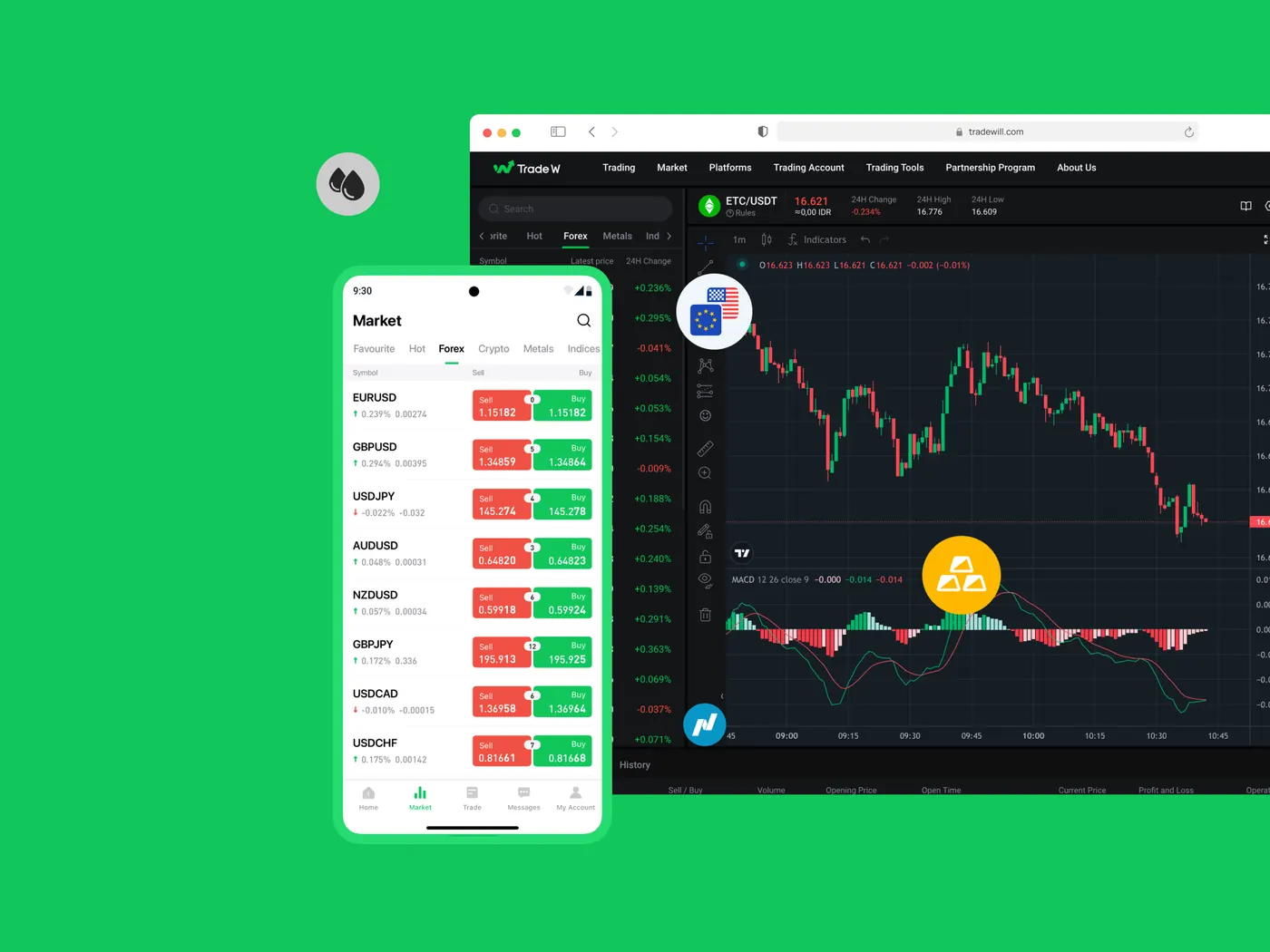
This environment helps beginners understand how financial instruments are quoted. They can examine buying and selling prices, monitor price changes, and learn how market orders differ from pending orders.
Practising with virtual funds also makes it easier to explore basic analytical methods. Users can examine support and resistance levels, moving averages, and other technical indicators to understand how traders interpret price movements.
However, simulated trading has limitations. Demo accounts may not reproduce the exact spreads, execution conditions, liquidity, or emotional pressures experienced in live markets. Profits made with virtual funds should never be treated as evidence of guaranteed future success.
Before opening any account, beginners should understand how to begin forex trading through a structured learning process. The first step is learning what the foreign exchange market represents and how currency pairs work.
A currency pair contains a base currency and a quote currency. For example, EUR/USD compares the euro with the US dollar. Its price indicates how many US dollars are needed to purchase one euro.
The next step involves understanding pips, spreads, leverage, and margin. These concepts explain how price changes are measured, how brokers charge for trading, and how much capital may be required to maintain a position.
Market analysis should also be studied carefully. Fundamental analysis considers economic reports, interest rates, and political developments. Technical analysis examines historical price data and chart patterns to identify possible trading opportunities.
An economic calendar can help users monitor important announcements. Inflation reports, central bank decisions, and employment statistics can produce significant currency movements.
Risk management should be established before considering live trading. Beginners should avoid excessive leverage, use appropriate position sizes, and never risk money needed for essential expenses.
Choosing a broker requires independent research. Users should verify regulatory permissions, examine trading fees, and understand the provider's withdrawal policies. They should also check whether the company is authorised to offer services in their country.
A realistic learning plan includes studying market terminology, practising on a demo platform, recording trading decisions, and reviewing mistakes. Patience is more valuable than rushing to achieve short-term results.
There is no guaranteed method of earning money from currency markets. Understanding how to begin forex trading requires continuous learning and awareness of financial risks. A demo trading account can make that learning process more structured and accessible.

Comments
Post a Comment