Exploring Automated Currency Trading And Practising With Demo Accounts
Technology continues to influence how traders research markets and manage financial transactions. An auto fx trader uses programmed instructions to identify potential opportunities and execute orders according to predefined rules. Before using automated systems with real funds, beginners should understand how supports learning and strategy evaluation.
Automated currency trading software can monitor currency pairs and analyse price information. Depending on its design, a system may use technical indicators, price patterns, mathematical models, or specific market conditions to generate trading signals.
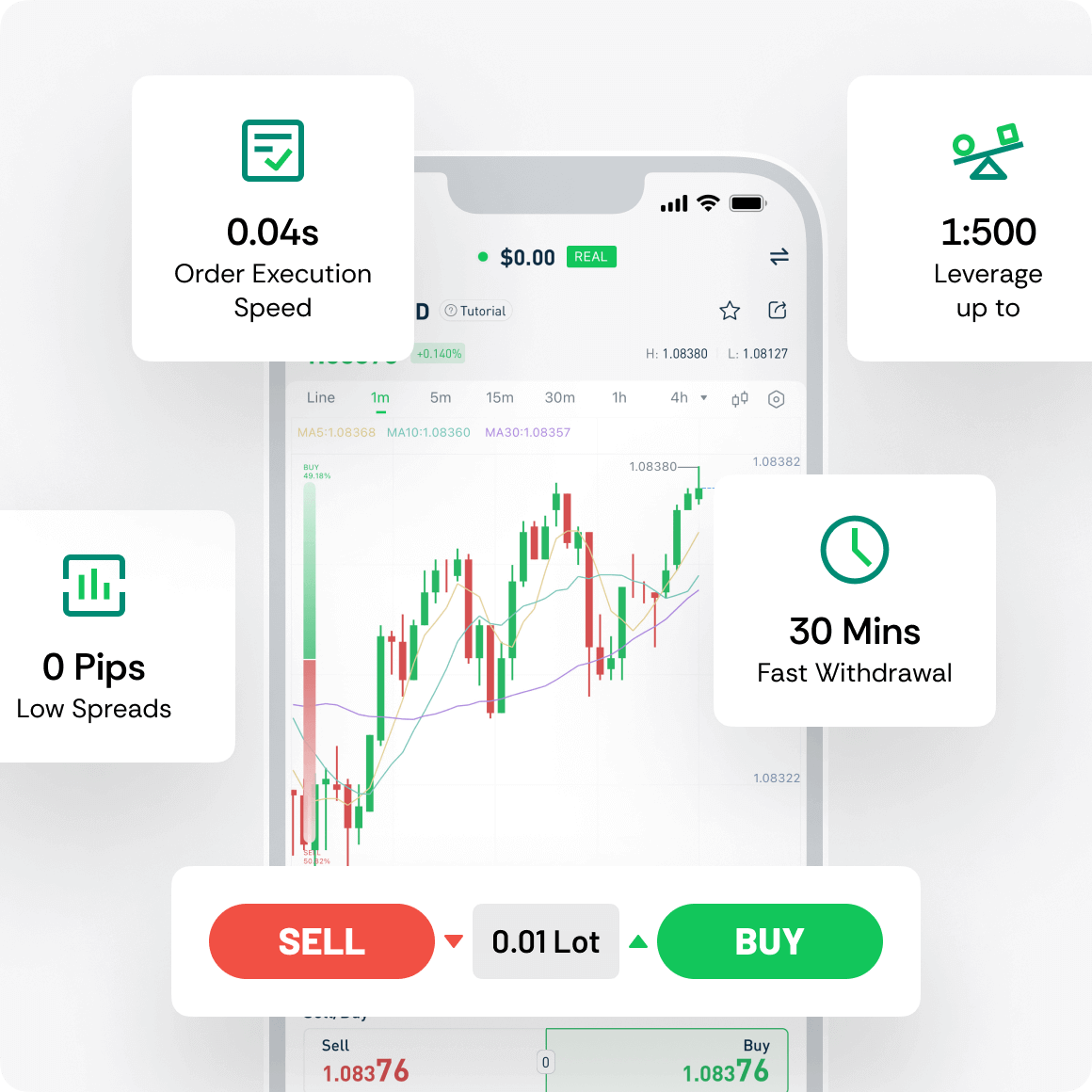
Some tools only provide alerts, while others can place and manage orders automatically through compatible brokers. The level of automation depends on the demo account trading software and permissions granted by the user. Understanding these functions is important before connecting any system to a live account.
Automation can reduce the need to monitor charts continuously. It may also help traders apply consistent rules without making every decision manually. However, automated systems cannot eliminate uncertainty or guarantee profitable results.
A strategy that performs well under certain conditions may struggle when volatility, liquidity, or broader market trends change. Historical testing can provide useful information, but past performance does not establish future reliability.
Demo account trading offers an opportunity to evaluate automated strategies without immediately risking real money. Users can observe how software responds to price movements, examine order placement, and identify possible configuration problems.
A structured testing process is more useful than focusing only on simulated profits. Traders should examine the frequency of transactions, average holding periods, maximum drawdowns, and performance under different market conditions. They should also record any technical issues.
Before selecting an automated service, users should research its developer and reputation. Transparent explanations of the strategy, clear pricing, and realistic performance information are preferable to promotional claims promising guaranteed returns.
Security is another important factor. Traders should be careful when providing account credentials or granting software permission to execute orders. They should understand how their information is stored and whether the service has access to sensitive account functions.
Risk controls should be established before any live deployment. Position limits, stop-loss settings, maximum account exposure, and monitoring procedures can help manage potential losses. Leverage requires particular caution because it increases the financial impact of price movements.
Automated software should be treated as a tool rather than a replacement for financial knowledge. Users remain responsible for understanding the risks and monitoring the services they choose.
A careful approach combines technical research with practical testing. Evaluating an auto fx trader through demo account trading can help users understand system behaviour and identify limitations before considering any real-money trading activity.

Comments
Post a Comment