Essential Trading Knowledge For Every Modern Foreign Exchange Trader
Becoming an fx trader involves more than watching currency prices and placing buy or sell orders. Successful market participation requires education, patience, risk awareness, and a structured approach to analysing financial information. Understanding how exchange rates work is an important foundation for anyone entering the foreign exchange market.
Forex trading involves exchanging one currency for another. Currency pairs are quoted using two currencies, such as EUR/USD or GBP/USD. The first currency is called the base currency, while the second is the quote currency.
Price movements depend on several factors. Central bank interest rates, inflation, employment figures, economic growth, and international events can influence demand for individual currencies. Traders study these developments to understand possible market direction.
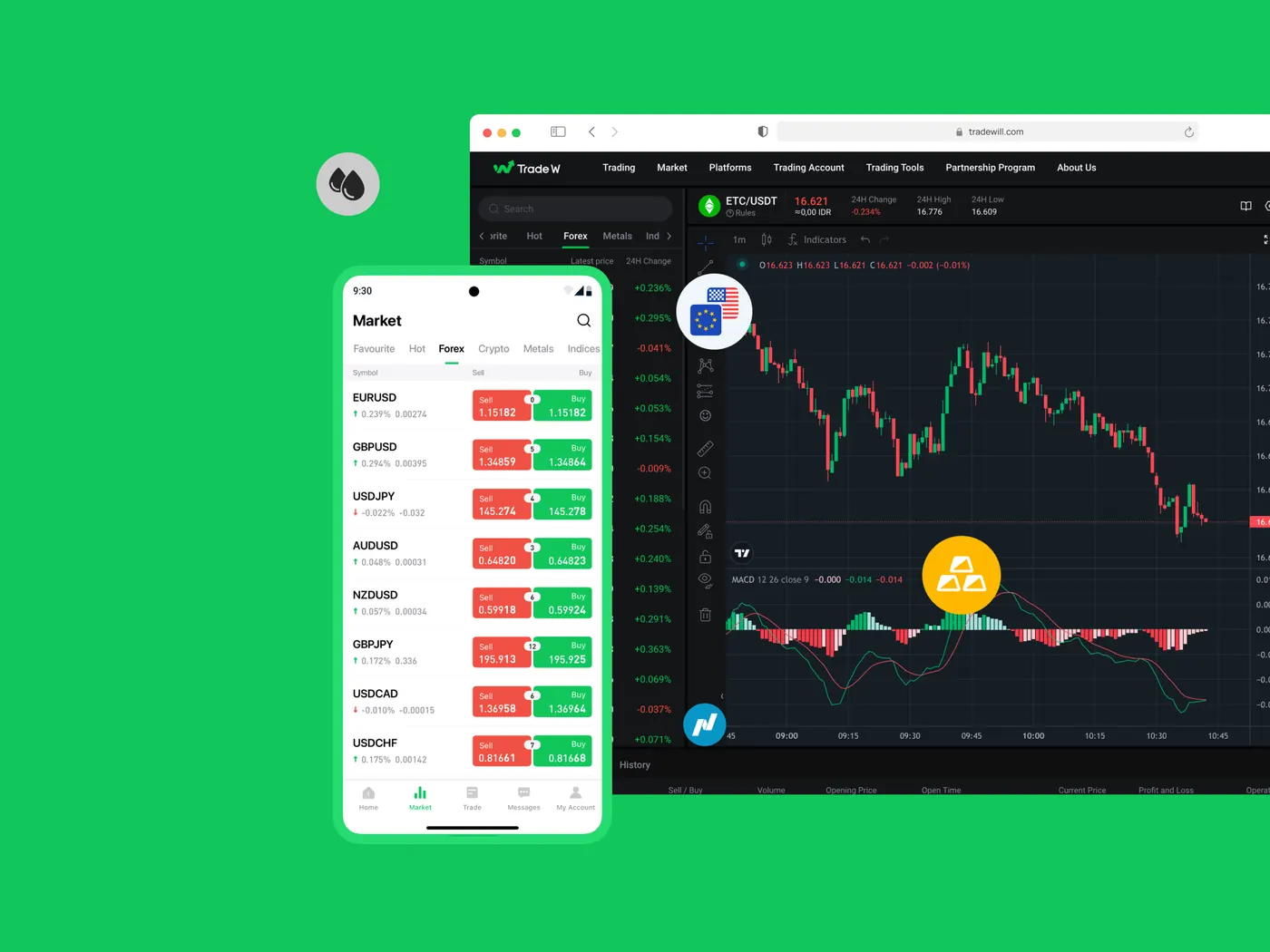
There are two common approaches to market analysis. Fundamental analysis examines economic information and financial developments. Technical analysis studies historical price movements, chart patterns, indicators, and trading volumes where available.
Technical indicators can help traders identify potential trends and momentum. Moving averages, relative strength index, and support and resistance levels are commonly used tools. However, no indicator can predict every market movement accurately.
Position sizing is another important part of trading preparation. It determines how much market exposure a trader takes when opening a position. Choosing an appropriate position size can help prevent one unsuccessful trade from creating excessive losses.
Currency conversion and trading calculations can also become confusing, particularly when dealing with different account currencies. An fx calculator helps users estimate exchange values, potential pip values, margin requirements, or other trading-related figures, depending on the calculator's available functions.
For example, someone calculating the value of euros in US dollars needs the relevant exchange rate. If one euro equals 1.10 US dollars, then 100 euros would equal approximately 110 US dollars before any applicable fees or conversion charges.
A trading calculator can simplify these calculations and reduce manual errors. However, users should understand the assumptions behind each result. Actual execution prices, spreads, commissions, and currency conversion costs may produce different outcomes.
Demo accounts are useful for practising calculations and exploring trading software. They allow users to experiment with order types and position sizes using virtual funds. This can build familiarity before entering live markets.
Leverage should never be treated as an easy way to increase profits. It creates greater exposure relative to the amount deposited and can magnify losses. Traders should understand margin requirements and the possibility of rapid account depletion.
A disciplined approach includes setting trading objectives, reviewing results, maintaining records, and avoiding emotionally driven decisions. Taking breaks after unexpected losses can also prevent impulsive behaviour.
Financial markets involve uncertainty, and no individual strategy guarantees consistent returns. Combining market knowledge with responsible calculations helps an fx trader evaluate decisions more carefully. Tools such as an fx calculator can support better preparation, but they cannot eliminate trading risk.

Comments
Post a Comment