Choosing Reliable Forex Services For Modern Online Market Participants
The global foreign exchange market attracts participants interested in currency movements, international economics, and financial trading. Understanding how forex brokers operate is an important first step before selecting an online service. Brokers provide the technology and market access that allow individuals to place orders and monitor currency prices.
A foreign exchange broker acts as an intermediary between clients and financial markets or liquidity providers, depending on its business model. It offers trading accounts, pricing information, order execution, and software for managing positions.
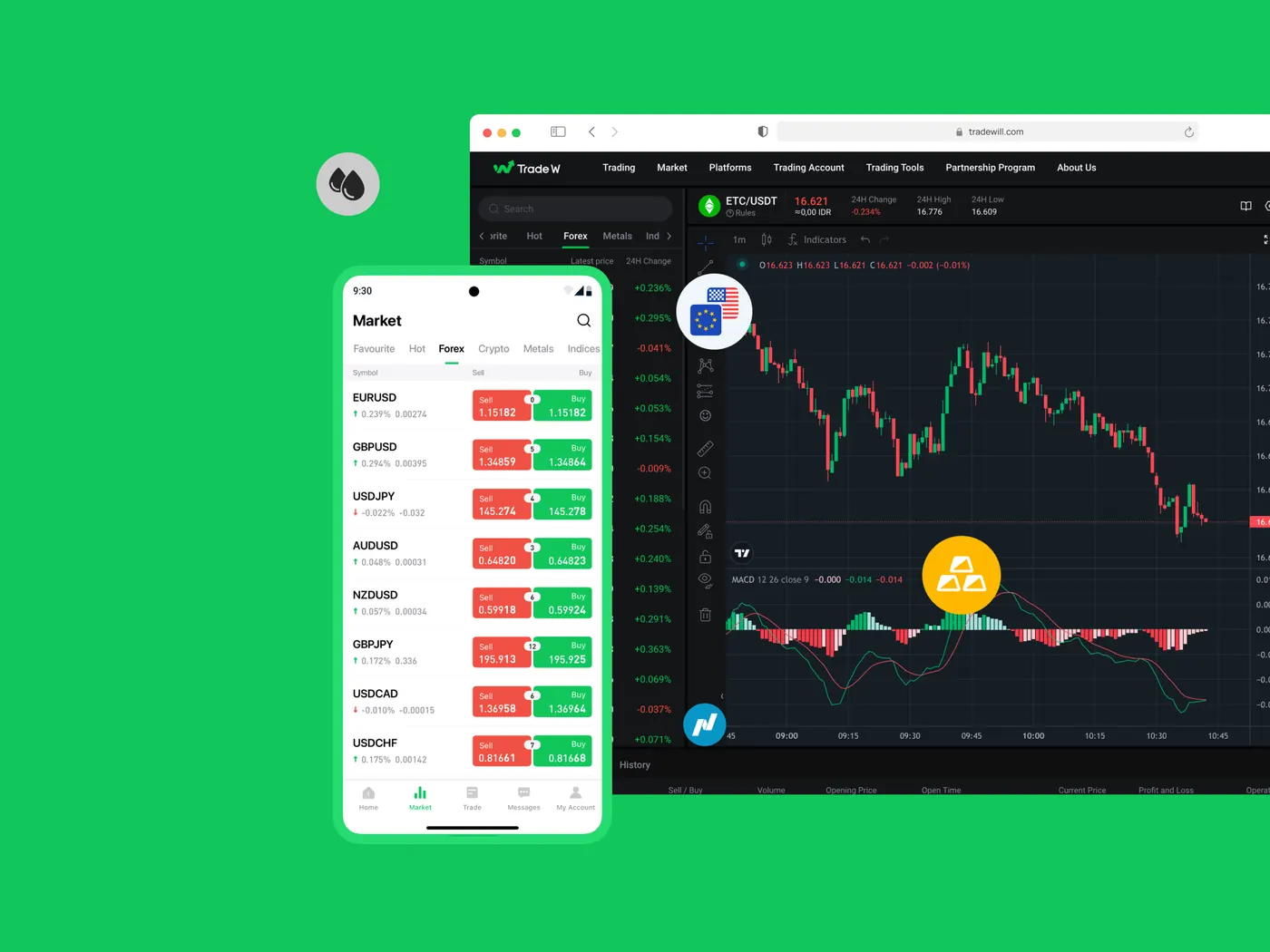
Different brokers provide different services. Some focus on beginner-friendly platforms, while others offer advanced charting, analytical indicators, and multiple financial instruments. Available services may include currency pairs, commodities, indices, and contracts for difference.
Regulation should be one of the first factors considered when comparing providers. A company's regulatory status determines which rules apply to its operations and which protections may be available to customers. Traders should check official registers rather than relying entirely on website statements.
Trading costs also deserve attention. Most providers generate revenue through spreads, commissions, or other charges. A spread represents the difference between the buying and selling prices of an instrument. Even relatively small charges can influence results over repeated transactions.
Execution quality is another important consideration. During periods of high volatility, prices can change rapidly. Slippage may occur when an order executes at a different price from the one requested. Understanding the broker's execution policy can help users assess potential risks.
A forex broker online typically offers access through desktop applications, mobile applications, or browser-based platforms. These services allow traders to monitor positions, review charts, manage account settings, and access market information.
Security features are equally important. Users should look for encrypted connections, secure authentication, clear privacy policies, and transparent procedures for deposits and withdrawals. Strong account passwords and additional authentication methods can further improve account security.
Customer support can also make a difference, particularly for new users. Accessible assistance, educational materials, and clear explanations of trading conditions can help individuals understand the platform. However, customer support should not be confused with independent financial advice.
Beginners may benefit from opening a simulated account before using real funds. Practising with virtual money provides an opportunity to explore different order types and understand price movements without immediate financial exposure.
Leverage requires special caution. It increases market exposure relative to the initial margin and can magnify both gains and losses. Traders should understand margin requirements and possible liquidation procedures before opening leveraged positions.
Selecting a provider should involve more than comparing advertisements or promotional bonuses. Examining regulation, pricing, execution, security, and customer service creates a more balanced evaluation of forex brokers and helps individuals identify whether a forex broker online meets their requirements.

Comments
Post a Comment