Calculating Potential Trading Returns And Learning Through Simulated Markets
Understanding possible financial outcomes is an important part of developing responsible trading habits. A profit calculator can help traders estimate potential gains or losses based on entry prices, exit prices, position sizes, and applicable costs. Practising with a can further improve familiarity with financial platforms without immediately risking real funds.
Trading calculations help users understand how price movements affect account balances. For example, a trader can estimate the difference between an opening price and a closing price to calculate the gross result of a position.
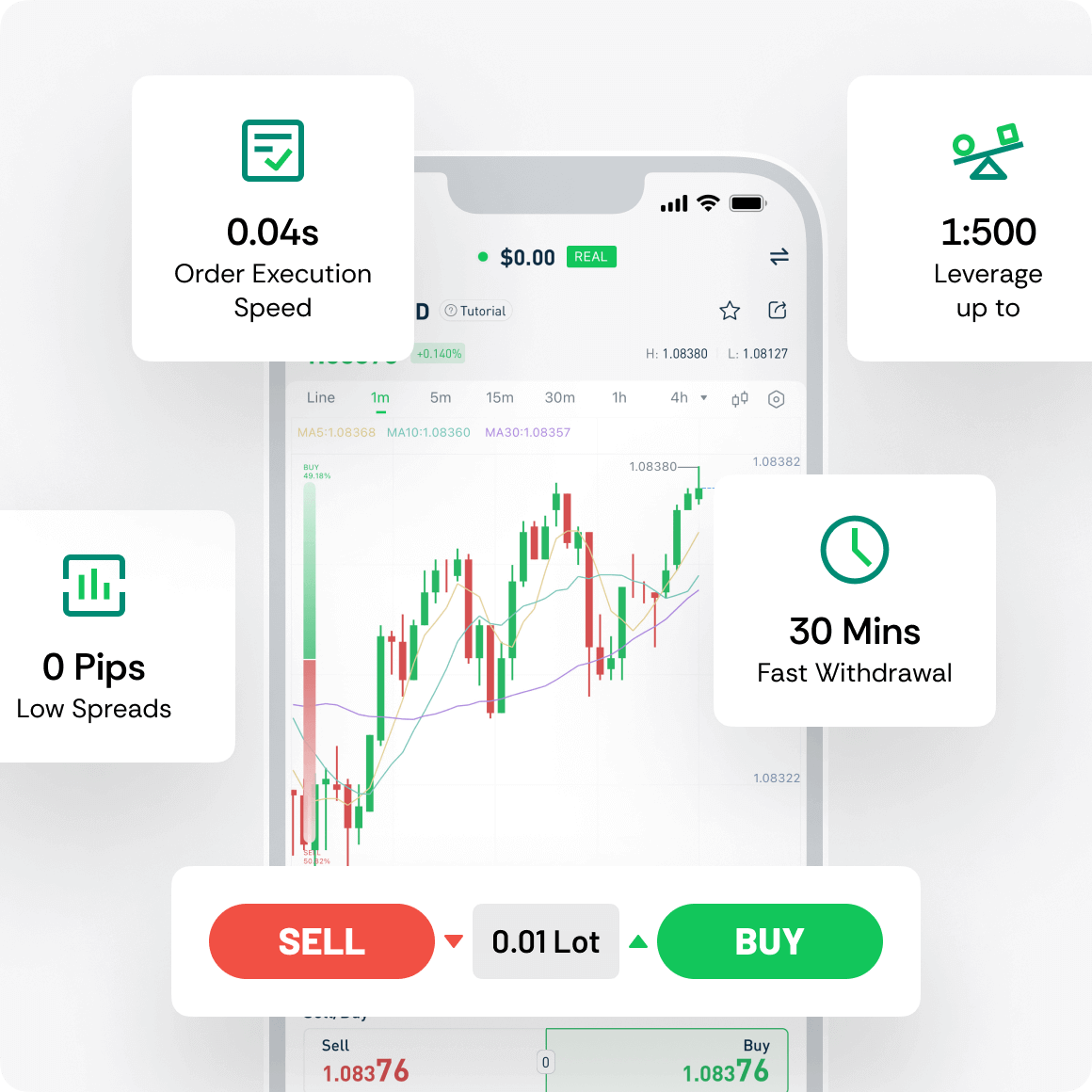
However, the final financial outcome may include additional costs. Spreads, demo for trading commissions, overnight financing, currency conversion charges, and other applicable fees can influence the amount received or lost. A useful calculator should account for these variables whenever possible.
Different financial instruments require different calculations. Forex trading commonly involves currency pairs, pips, and position sizes. Stock-related CFDs may use share quantities and price differences, while cryptocurrency calculations may involve digital asset amounts and exchange fees.
A profit calculator can also support risk planning. Traders may compare a potential loss against their available account balance before placing an order. This can help them understand how much exposure a particular position creates.
Demo trading provides a practical environment for learning these calculations. A demo account generally uses virtual money, allowing users to explore trading software, test strategies, and practise different order types without making an initial real-money commitment.
Beginners can use simulated markets to understand how orders behave. They can practise entering positions, setting stop-loss levels, monitoring account equity, and closing transactions. Recording each decision can help identify mistakes and improve consistency.
Nevertheless, demo results should be interpreted carefully. Simulated environments cannot fully reproduce the emotions involved in real financial losses. Execution conditions and liquidity may also differ from live accounts.
An effective learning routine should focus on understanding processes rather than achieving unrealistic virtual returns. Traders can review their decisions, identify which assumptions were incorrect, and examine how different market conditions influenced outcomes.
Risk management remains essential when moving beyond simulated trading. Leverage increases exposure and may cause losses to accumulate quickly. Users should understand applicable account protections, avoid excessive position sizes, and never risk money needed for essential expenses.
It is also important to choose reliable platforms. Transparent fees, clear trading conditions, regulatory information, and responsive customer support should influence the selection process.
Financial tools are most useful when they support informed decisions. Combining a properly configured profit calculator with a structured demo for trading routine can help individuals understand trading mathematics, practise strategies, and approach real-market risks with greater awareness.

Comments
Post a Comment