Building Forex Training Skills Through Understanding The Global Currency Market
Learning to trade currencies requires patience, research, and a clear understanding of financial markets. Quality forex training helps beginners develop essential knowledge before making trading decisions. A basic understanding of the also explains how currencies are exchanged and why exchange rates change throughout the day.
The foreign exchange market is a global marketplace where currencies are bought and sold. Participants include commercial banks, central banks, investment institutions, businesses, and individual traders. Transactions take place for various reasons, including international payments, investment activities, and speculation.
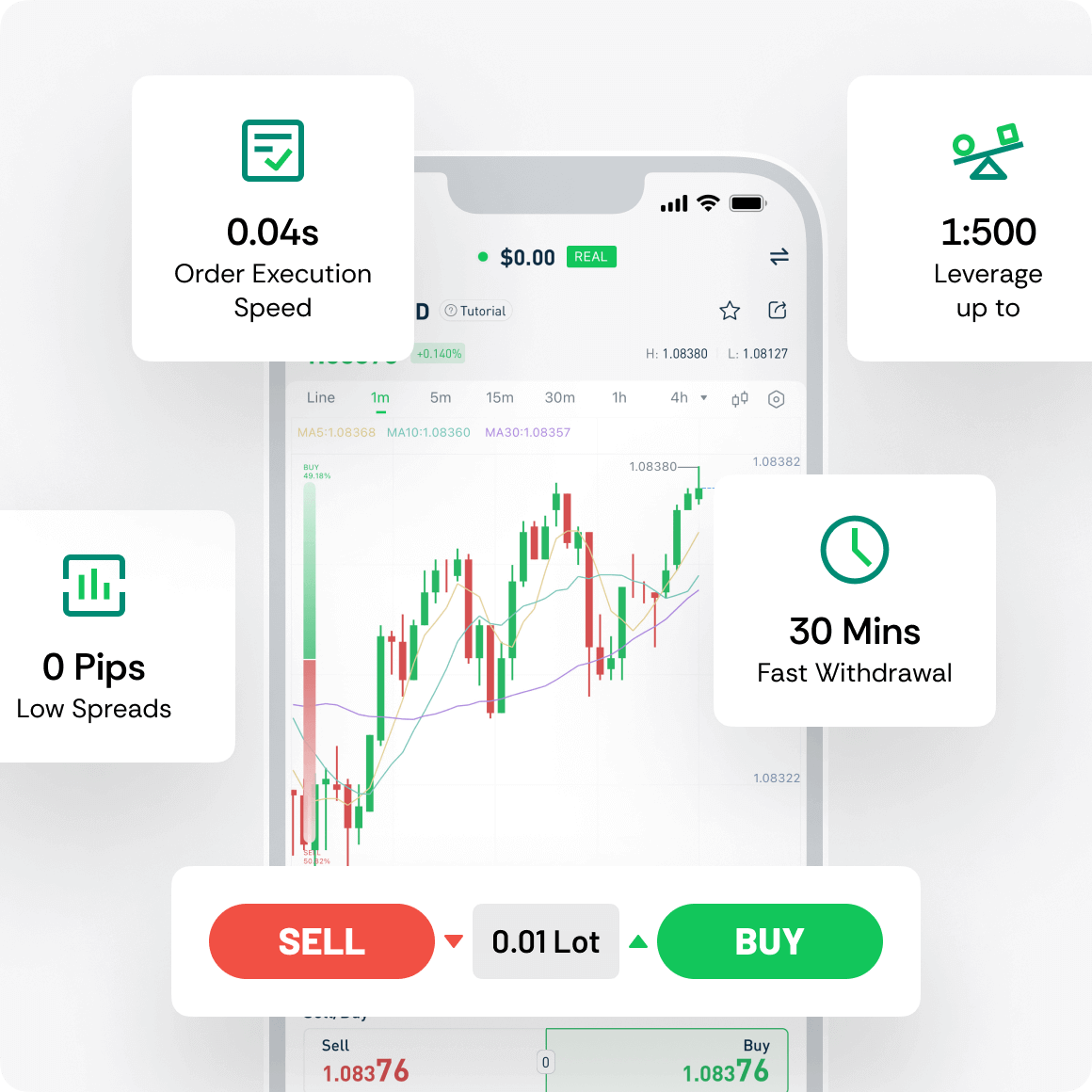
Currency prices are usually displayed in pairs, such as EUR/USD or GBP/USD. The first currency is called the base currency, forex market while the second is the quote currency. The exchange rate indicates how much of the quote currency is required to purchase one unit of the base currency.
Several factors influence currency movements. Interest rates, inflation, employment data, economic growth, and political developments can affect demand for a country's currency. Central bank decisions are particularly important because monetary policy can influence borrowing costs and investor expectations.
Forex training should begin with fundamental concepts rather than complicated strategies. Beginners should learn how currency pairs work, how spreads are calculated, and how different order types function. Understanding pips, margin, leverage, and position sizing is also essential.
Technical analysis is another common area of study. It involves examining historical price charts to identify possible patterns and market trends. Traders may use moving averages, trendlines, support levels, resistance levels, and momentum indicators to organise their analysis.
Fundamental analysis focuses on economic information and broader financial developments. For example, an unexpected interest rate increase may influence a currency's value because investors reassess the potential returns available in that economy. However, market reactions are not always predictable.
Practising through a demo account can help beginners apply theoretical knowledge. Virtual funds allow users to explore trading software, test strategies, and understand order execution without immediately risking personal money. Maintaining a journal can also reveal repeated mistakes and areas requiring improvement.
Risk management should remain central throughout the learning process. Traders should avoid risking money they cannot afford to lose and should understand how leverage magnifies both gains and losses. A stop-loss order may help limit exposure, although execution can vary during volatile conditions.
Education should continue even after gaining experience. Financial markets evolve as economic conditions, regulations, and technology change. Reviewing reliable educational resources and monitoring market developments can support better-informed decisions.
Developing practical knowledge takes time and consistency. By investing in structured forex training and learning how the forex market responds to global economic events, beginners can build a more realistic understanding of currency trading and its financial risks.

Comments
Post a Comment