From Practice to Precision: How Forex Demo Trading Builds Market Knowledge
The foreign exchange market offers opportunities to learn about global currencies, economic trends, and price movements, but understanding how it works requires patience and preparation. Choosing the best forex demo accountforex broker can help beginners explore trading concepts, test ideas, and become familiar with market behavior without risking real money. Before making any financial decisions, it is equally important to understand how a forex broker operates, what trading costs may apply, and how market volatility can affect results.
Understanding the Value of Demo Trading
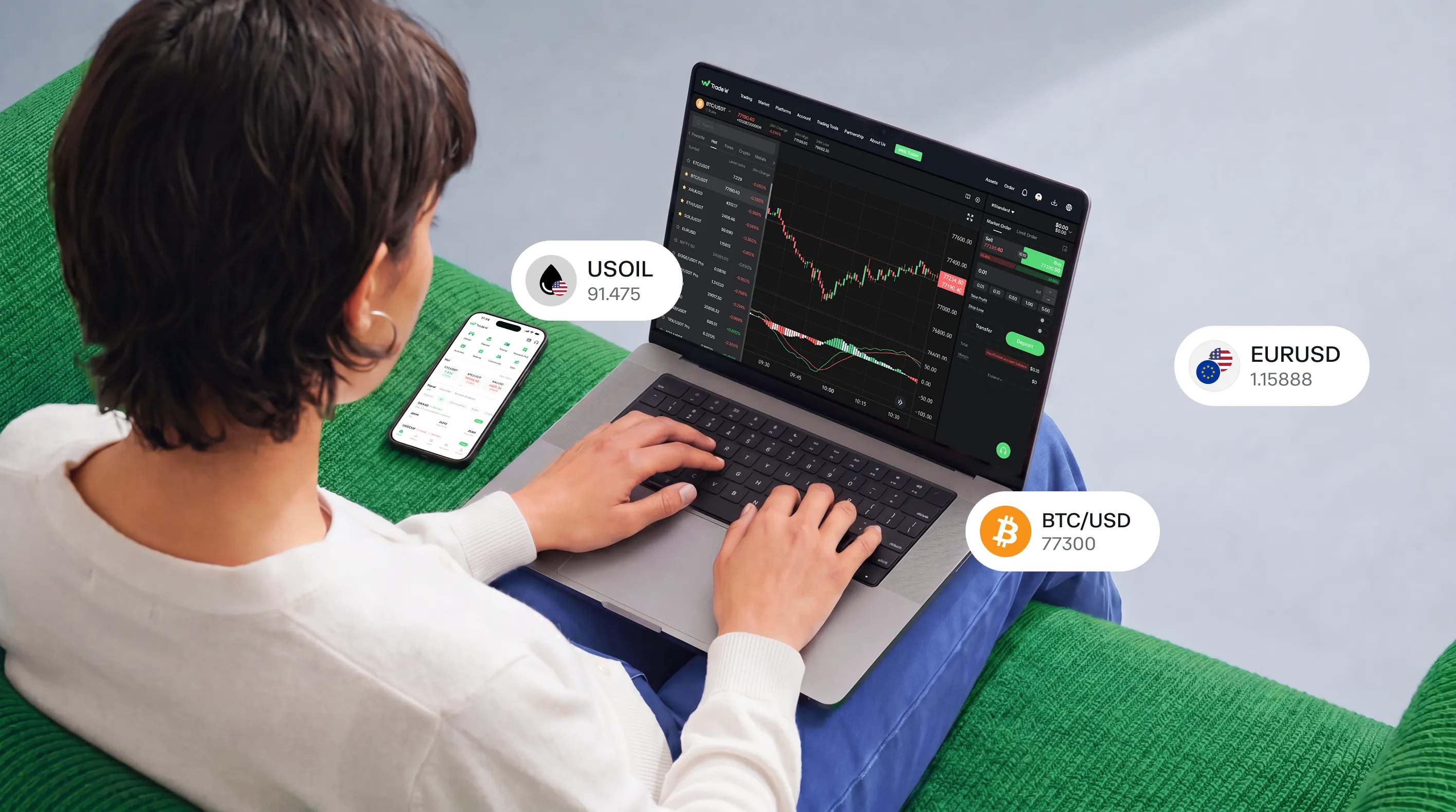
A demo account provides a simulated trading environment where users can practice with virtual funds rather than actual capital. It allows beginners to observe currency prices, study charts, and understand how different orders work. Instead of learning exclusively from theory, users can gain practical experience by following market movements and evaluating hypothetical trading decisions.
For newcomers, this learning process can make unfamiliar terms easier to understand. Concepts such as currency pairs, spreads, pips, margin, and leverage become clearer when explored through realistic market simulations. Demo trading also provides an opportunity to become comfortable with trading software before navigating its features in a live environment.
What Makes a Demo Account Useful?
A useful demo account should provide a straightforward interface, realistic price information, and access to essential analytical tools. These features help users focus on understanding the market instead of struggling with complicated navigation. A clear account dashboard, accessible charts, and reliable order simulations can also make the learning experience more productive.
Another important consideration is the range of available currency pairs. Practicing with major pairs, such as EUR/USD and GBP/USD, can help beginners understand how exchange rates respond to economic announcements, interest rate expectations, and changes in market sentiment. Exploring different market conditions can gradually improve a learner's ability to interpret price movements.
Learning Market Analysis Through Practice
Successful market analysis generally involves understanding both technical and fundamental factors. Technical analysis focuses on historical prices, chart patterns, trends, and indicators that traders use to interpret possible market movements. Fundamental analysis considers economic reports, central bank decisions, inflation figures, employment data, and geopolitical developments that may influence currency values.
A demo environment gives learners room to compare these approaches. For example, a user might observe how a currency pair behaves around an economic announcement and then review the price chart to understand the movement. Repeating this process can help develop analytical skills and encourage more thoughtful decisions.
However, market patterns do not guarantee future outcomes. Even a carefully researched prediction can be incorrect, which is why learning to recognize uncertainty is an essential part of financial education.
Evaluating Trading Platforms and Costs
The platform supporting a demo account can significantly influence the learning experience. Users should look for clear charts, useful technical indicators, accessible order settings, and educational resources that explain unfamiliar features. Compatibility with desktop and mobile devices may also be helpful for people who want to study market information across different screens.
TradeWill provides a demo account designed to help users become familiar with its trading environment and explore available platform features. Its website describes demo trading as a way to practice with virtual funds and learn about trading instruments before considering live trading. Reviewing the available account information and platform documentation can help users understand which features are offered and whether they suit their learning needs.
Trading costs also deserve attention, even when using a simulated account. Spreads, commissions, overnight financing charges, and potential currency conversion costs can affect the overall result of a trading position. Understanding these expenses in advance helps learners recognize why a position's displayed price movement does not necessarily represent its final net result.
Developing Better Risk Awareness
Risk management is an important subject to study before considering any form of live trading. A demo account can help learners understand how position size, stop-loss orders, and leverage influence hypothetical outcomes. It also provides an opportunity to observe how a series of unfavorable market movements can affect an account balance.
Leverage deserves particular attention because it allows traders to control positions larger than the funds they commit. While this can increase exposure to market movements, it can also magnify losses. Beginners should therefore study margin requirements and the consequences of sudden price changes rather than assuming that a simulated profit demonstrates a reliable strategy.
A written trading journal can support this learning process. Recording the reasons behind a simulated decision, the market conditions, and the eventual outcome makes it easier to review mistakes and identify recurring habits. The purpose is to develop disciplined thinking, not to chase profits or assume that past performance predicts future results.
Choosing a Forex Broker With Care
A trading platform should be evaluated on more than its appearance or promotional claims. Before selecting a forex broker, users should examine its regulatory status, the legal entity providing the service, available account conditions, published fees, customer support, and withdrawal policies. They should also confirm whether the service is legally available in their jurisdiction.
Regulatory information deserves careful review because protections and requirements differ between countries and financial authorities. Users should verify licensing claims directly through the relevant regulator's official resources rather than relying solely on marketing statements. Reading the provider's risk disclosures and client agreements can also clarify the responsibilities and limitations associated with its services.
A demo account can help assess platform usability, but it cannot establish that a provider is suitable for every individual. Simulated trading conditions may differ from live execution, particularly during periods of high volatility or limited market liquidity.
Building a Consistent Learning Routine
Learning about foreign exchange markets is more effective when approached as a gradual process. Beginners can start by understanding basic terminology, observing a small number of currency pairs, and studying how scheduled economic announcements influence prices. They can then compare different analytical methods and review their simulated decisions to identify gaps in their understanding.
It is also helpful to distinguish between confidence and competence. A few successful simulated trades do not establish that someone can consistently predict market movements. Real markets involve uncertainty, emotional pressure, and financial consequences that a virtual environment cannot fully reproduce.
TradeWill offers online resources and platform information that learners can review while developing their understanding of currency markets. Combining educational material with careful observation and realistic expectations can help users build a stronger foundation in financial literacy without treating trading as a guaranteed source of income.
Conclusion
Choosing a suitable practice environment is a valuable first step toward understanding the foreign exchange market. The best forex demo account is one that supports meaningful learning through accessible tools, realistic simulations, and opportunities to review decisions. At the same time, studying costs, regulations, and risk management provides a broader understanding of how currency trading works.
A thoughtful approach prioritizes education over quick results. By learning the fundamentals, practicing consistently, and recognizing the limitations of simulated performance, beginners can develop a more informed perspective on financial markets. Forex and leveraged contracts for difference involve substantial risk, and losses can exceed expectations. Educational practice should therefore be treated as a way to build knowledge, not as a promise of future financial success.

Comments
Post a Comment