Beyond the Basics: Building Trading Skills Through Virtual Market Experience
Entering the financial markets can feel challenging for beginners who are unfamiliar with currency movements, trading platforms, and risk management. A demo trading account offers a practical way to explore these concepts in a simulated environment without putting personal funds at risk. By using demo account trading to study price behavior, test strategies, and understand trading tools, learners can develop a clearer picture of how financial markets operate before considering real-money trading.
Understanding the Purpose of Virtual Trading
Virtual trading provides an opportunity to experience the structure of a trading platform without the immediate financial consequences associated with live transactions. Instead of using actual capital, participants trade with virtual funds while observing market prices and practicing different approaches. This environment can be especially helpful for people who want to understand the mechanics of trading before making financial commitments.
Beginners can use a simulated environment to learn how orders are placed, how charts display price changes, and how trading positions are opened or closed. They can also become familiar with terms such as spreads, pips, margin, leverage, and volatility. Understanding these concepts through practical examples can make financial education more accessible and less intimidating.
Virtual practice is not limited to newcomers. Experienced traders may also use simulated environments to explore unfamiliar instruments, evaluate changes to an existing strategy, or become comfortable with a different platform. The main objective is to develop knowledge through observation and structured experimentation.
How Simulated Markets Improve Financial Understanding
Financial markets respond to a wide range of influences, including economic announcements, central bank policies, geopolitical developments, and shifts in investor sentiment. Learning how these factors affect prices requires more than memorizing definitions. Observing market behavior over time can help learners understand how different events influence trading conditions.
A simulated account allows users to follow currency pairs and examine how their values change throughout a trading session. For example, a learner might compare the movement of EUR/USD with GBP/USD after an important economic announcement. Reviewing the resulting charts can help explain why currencies sometimes move together and why their reactions may differ.
This process also encourages independent thinking. Rather than relying entirely on predictions or opinions found online, learners can form a hypothesis, observe the market, and review whether the expected movement occurred. Over time, this method can strengthen analytical skills while reinforcing the importance of uncertainty in financial decision-making.
Exploring Trading Tools and Platform Features
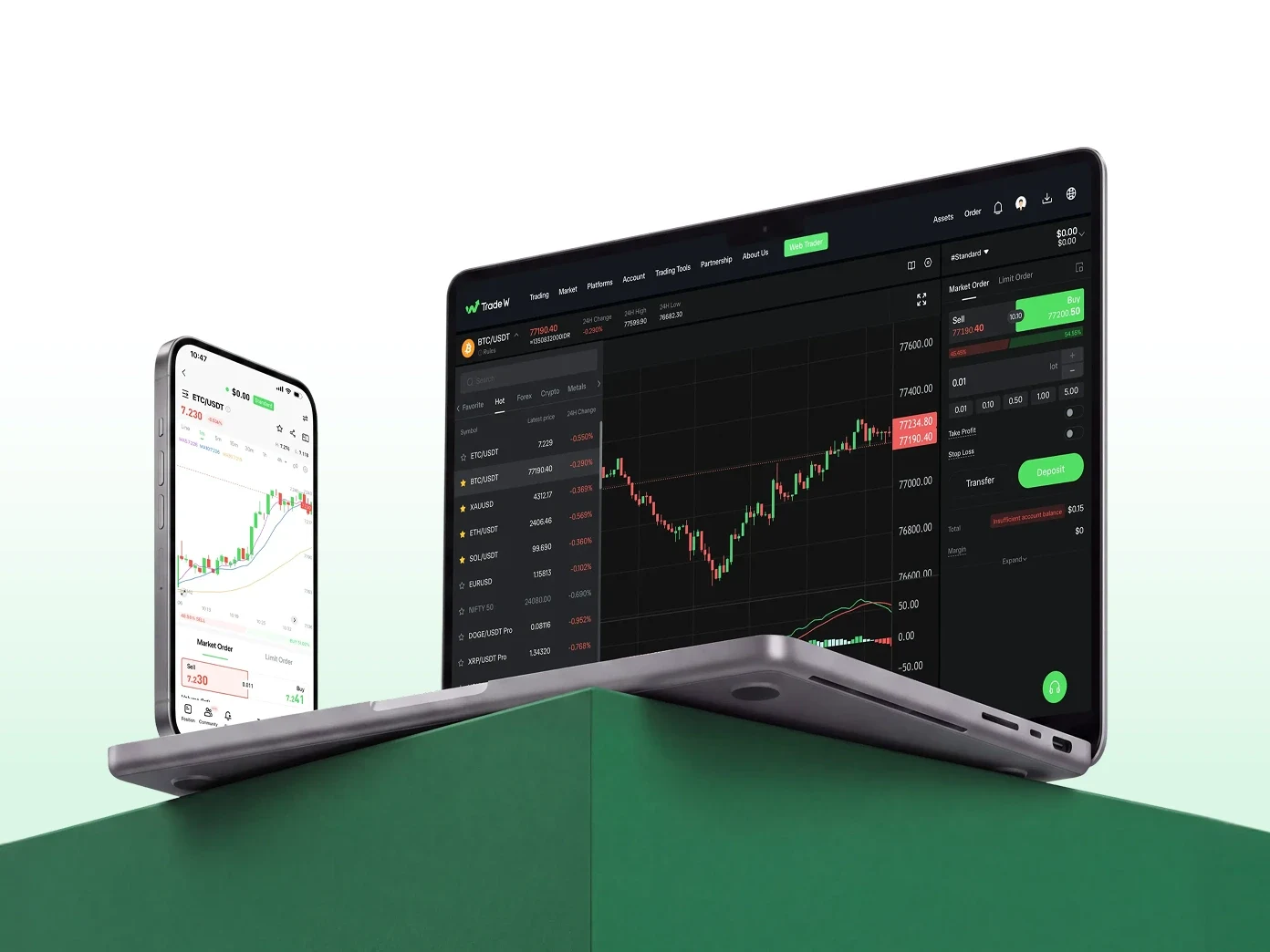
A trading platform typically brings together price charts, order management features, account information, and analytical tools. Understanding how these elements work together is an important part of becoming familiar with the trading process. A well-organized interface can make it easier to concentrate on market analysis instead of navigating unfamiliar menus.
Charting tools help users examine historical price movements and identify possible trends. Technical indicators can provide additional perspectives on momentum, volatility, and market direction, although no indicator can reliably predict every future movement. Learning what these tools measure and where their limitations lie is more useful than applying them without understanding their purpose.
Order types are another important subject. Market orders, limit orders, and stop orders can behave differently depending on market conditions and platform settings. Practicing with virtual funds allows learners to observe these differences and understand the relationship between an intended transaction and its simulated execution.
TradeWill provides an online trading environment where users can explore platform features and learn about available trading instruments. Reviewing its educational materials and account information can help prospective users understand the tools offered and determine whether the platform aligns with their learning objectives.
Creating a Structured Practice Routine
A consistent learning routine can make virtual trading more valuable than occasional, unplanned activity. Beginners may benefit from focusing on one or two currency pairs initially, allowing them to become familiar with their usual price behavior and the economic factors that influence them. Following a limited selection of instruments can also make it easier to review information without becoming overwhelmed.
Keeping a trading journal is another useful practice. Learners can record the reasons behind each simulated decision, the conditions present at the time, and the eventual outcome. Reviewing these records may reveal whether decisions were based on a clear plan or influenced by short-term market movements.
Setting specific learning goals can further improve the process. One session might focus on understanding chart time frames, while another could examine how economic announcements influence volatility. This approach encourages gradual progress and makes it easier to identify areas that require further study.
Importantly, the objective should not be to produce the highest possible simulated balance. A virtual account can reward excessive risk-taking in ways that would be difficult to tolerate with actual money. Developing sound habits and understanding the consequences of different decisions should remain the priority.
Understanding Risk Before Considering Live Markets
Risk management is an essential part of financial education because even well-researched trading decisions can result in losses. Virtual practice can help learners examine how position sizes, stop-loss settings, margin requirements, and leverage affect simulated account performance.
Leverage requires particular attention. It allows a trader to control a larger market position relative to the funds committed, but it also increases exposure to price changes. A relatively small movement in an unfavorable direction can have a substantial impact on an account. Understanding this relationship is important before considering products that use leverage.
Learners should also recognize that simulated conditions do not always reproduce the experience of live trading. Actual transactions may involve execution delays, slippage, liquidity limitations, and emotional pressure that are difficult to replicate with virtual funds. As a result, success in a simulated environment does not guarantee similar outcomes in real markets.
Developing a cautious approach means treating every strategy as something to evaluate rather than assuming it will always work. Reviewing unsuccessful simulated trades can be particularly educational because it encourages learners to consider alternative explanations and improve their decision-making process.
Evaluating Platforms and Their Trading Conditions
Choosing a platform requires more than considering its appearance or the availability of attractive features. Users should examine the services offered, the instruments available, the clarity of account information, and the accessibility of customer support. Understanding the provider's legal entity and regulatory status is also important when evaluating a financial service.
Fees and trading conditions deserve careful attention. Spreads, commissions, overnight financing charges, and currency conversion costs may affect the results of live transactions. Even when practicing with virtual funds, learning how these expenses work can provide a more realistic understanding of trading performance.
Prospective users should verify regulatory claims through the relevant financial authority and review the provider's official terms before opening an account. Availability, investor protections, and legal requirements can differ by country, so a service suitable for one person may not be appropriate for another.
A simulated platform can help users assess its interface and available analytical tools, but it cannot independently establish the reliability or suitability of a financial provider. These questions require separate research and careful consideration.
Turning Practice Into Long-Term Knowledge
Developing market knowledge is a gradual process that benefits from patience, curiosity, and regular review. A demo account trading environment can help learners connect theoretical concepts with observed price movements, while structured demo account trading sessions can provide opportunities to test ideas and recognize mistakes without risking personal capital. The greatest benefit comes from treating each session as a learning exercise rather than a competition to generate virtual profits.
TradeWill offers platform information that users can explore as part of their broader research into online trading. Combining this information with independent educational resources, an understanding of financial risks, and realistic expectations can help learners make more informed decisions about their next steps.
Conclusion
Virtual trading can provide a useful introduction to financial markets by allowing people to study price movements, practice using trading tools, and understand fundamental risk concepts in a simulated environment. Its value lies in the knowledge and discipline developed through regular observation, thoughtful analysis, and honest evaluation of decisions.
Before moving toward live trading, learners should understand that market conditions can change rapidly and that no strategy can eliminate financial risk. Researching providers, studying trading costs, and recognizing the limitations of simulated results are all important parts of a responsible learning process. With a focus on education rather than guaranteed profits, virtual practice can become a valuable foundation for understanding the opportunities and challenges associated with financial markets.

Comments
Post a Comment