The Smart Trader’s Guide to Measuring Success Through Profit Analysis
Success in financial markets and business ventures is not determined solely by revenue generation. Understanding profitability is equally important because it reveals how effectively earnings are converted into actual gains. Whether an individual is managing investments, operating a business, or participating in online trading, tools such as a profit margin calculator and a profit calculator can provide valuable insights into financial performance. These tools help users evaluate outcomes, identify opportunities, and make informed decisions that support long-term growth.
A profit margin calculator is one of the most practical resources for assessing business efficiency and investment performance. At the same time, a profit calculator helps users estimate earnings based on various inputs, making it easier to understand potential returns before making important financial commitments. By utilizing these analytical tools, individuals can gain greater confidence in their financial planning and decision-making processes.
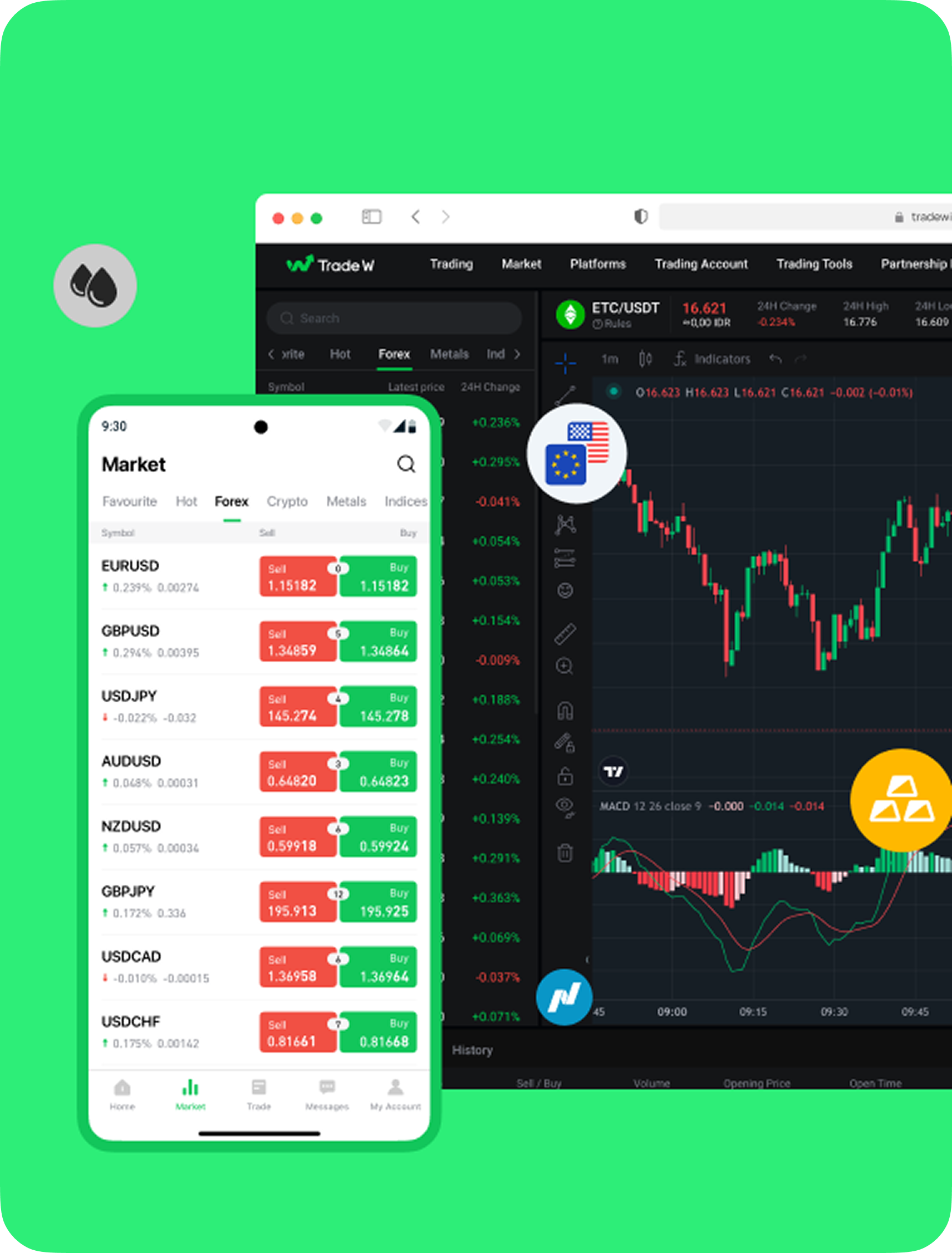
In today’s fast-paced financial environment, data-driven decisions have become essential. Investors and business owners alike rely on accurate calculations to determine whether their strategies are producing favorable results. Without a clear understanding of profit metrics, it becomes difficult to measure success or identify areas that require improvement. This is where financial calculation tools play a critical role by simplifying complex numerical evaluations into easy-to-understand figures.
Profitability is often viewed as the ultimate indicator of financial health. While revenue reflects the total income generated, profit reveals how much value remains after expenses are accounted for. This distinction is important because high revenue does not necessarily translate into strong financial performance. A company may generate substantial sales but still struggle with profitability if operating costs are excessive. Therefore, understanding the relationship between income and expenses is vital for sustainable growth.
Financial markets also benefit from accurate profit analysis. Traders frequently evaluate potential opportunities based on risk and reward ratios. Before entering a position, many traders calculate possible gains and losses to determine whether a trade aligns with their objectives. This disciplined approach reduces emotional decision-making and supports more consistent results. By examining projected outcomes beforehand, traders can better manage expectations and improve strategic planning.
Technology has transformed how financial calculations are performed. In the past, individuals often relied on manual calculations or spreadsheets, which could be time-consuming and prone to errors. Modern digital tools now provide instant results with greater accuracy. These advancements save time and enable users to focus on strategy rather than arithmetic. As a result, financial analysis has become more accessible to people of all experience levels.
One of the greatest advantages of profit calculation tools is their versatility. They can be applied across a wide range of industries and financial activities. Retail businesses use them to evaluate product pricing, investors rely on them to estimate portfolio performance, and entrepreneurs use them to assess business viability. This flexibility makes profitability analysis an essential component of financial management regardless of the specific field.
Another important aspect of profit analysis is goal setting. Financial objectives become more achievable when supported by measurable benchmarks. By calculating expected returns and monitoring actual performance, individuals can track progress and adjust strategies as needed. This process encourages accountability and promotes a more structured approach to achieving financial success.
Risk management is closely connected to profitability. Every financial decision involves a certain degree of uncertainty, and understanding potential outcomes helps reduce unnecessary exposure. When users evaluate possible profits alongside associated risks, they can make more balanced decisions. This analytical mindset contributes to greater stability and helps prevent costly mistakes that may arise from impulsive actions.
The growing popularity of online trading and digital investing has further increased the demand for financial calculation tools. As more individuals participate in global markets, the need for accurate performance measurement continues to expand. Accessible technology allows users to evaluate opportunities quickly and respond effectively to changing market conditions. This capability is particularly valuable in environments where timing and precision can significantly influence results.
Education also plays a crucial role in maximizing the benefits of profit analysis. Understanding key financial concepts empowers individuals to interpret calculations correctly and apply insights effectively. Learning how profitability metrics are derived helps users gain a deeper appreciation of financial performance and supports more informed decision-making. Over time, this knowledge contributes to stronger financial literacy and improved outcomes.
Strategic planning becomes significantly more effective when supported by reliable financial data. Businesses can allocate resources more efficiently, investors can refine portfolio strategies, and traders can optimize market participation. Accurate calculations provide the foundation for these decisions, enabling users to evaluate alternatives with greater confidence and clarity.
As financial technology continues to evolve, profitability tools are expected to become even more sophisticated. Enhanced analytics, automation, and real-time data integration will provide users with deeper insights and more comprehensive performance evaluations. These innovations will further simplify financial management while improving the accuracy of strategic planning efforts.
A profit margin calculator remains an essential resource for understanding operational efficiency and identifying opportunities for improvement. Similarly, a profit calculator allows individuals to estimate potential returns and evaluate different financial scenarios before taking action. Together, these tools create a powerful framework for assessing performance and supporting smarter financial decisions.
In conclusion, profitability analysis is a fundamental aspect of financial success in both business and trading. By leveraging modern calculation tools, individuals can gain valuable insights into their financial activities, improve decision-making, and work toward sustainable growth. Platforms such as tradewill.com continue to support users with innovative resources designed to simplify financial evaluation and enhance overall performance. The ability to understand and measure profit effectively remains one of the most valuable skills in today’s competitive financial landscape.
.jpg)
Comments
Post a Comment