Navigating the Future of Digital Markets: Smart Strategies for Modern Traders
The financial world continues to evolve at an impressive pace, creating opportunities for individuals to participate in global markets with greater ease than ever before. Whether someone is interested in forex trading demo account options to practice strategies or exploring bitcoin trading as part of a diversified portfolio, modern technology has transformed the trading experience. As more people seek financial independence and investment opportunities, understanding the fundamentals of market participation has become increasingly important.
For many beginners, a forex trading demo account serves as the ideal starting point for learning market dynamics without risking real capital. At the same time, bitcoin trading has emerged as one of the most discussed investment activities in recent years, attracting traders from around the world due to its volatility and potential opportunities. Together, these tools and markets provide a valuable learning environment for individuals looking to develop confidence and gain practical experience before making significant financial commitments.
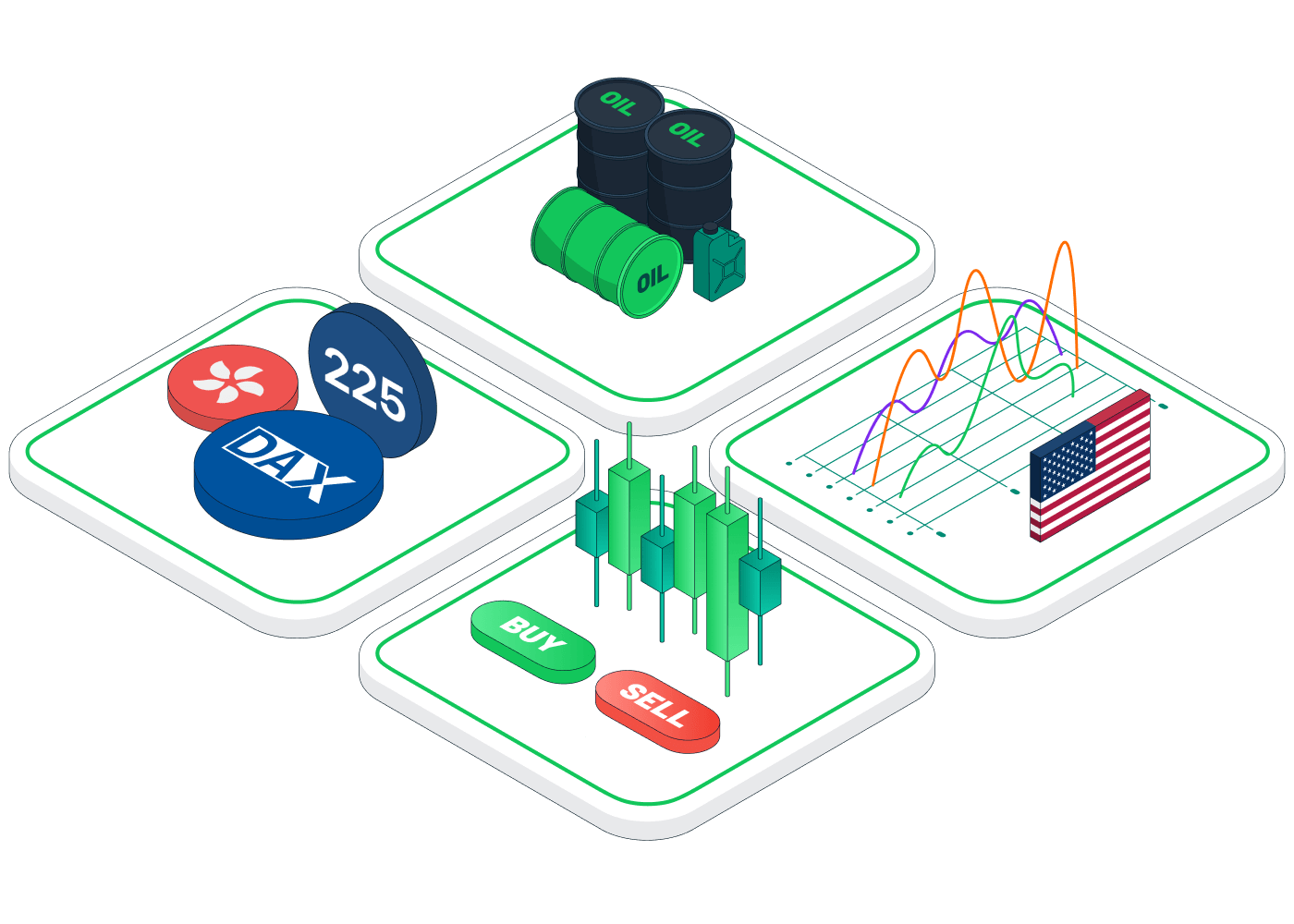
One of the primary advantages of modern trading platforms is accessibility. In the past, participating in financial markets often required substantial capital and access to professional brokerage services. Today, traders can access global markets from a smartphone, tablet, or computer with just a few clicks. This accessibility has opened the doors to a broader audience, enabling individuals from various backgrounds to engage with currencies, stocks, commodities, and digital assets.
Education remains one of the most important components of successful trading. While market opportunities can be attractive, they also involve risks that should not be underestimated. Successful traders dedicate time to understanding technical analysis, fundamental research, market psychology, and risk management. Learning these concepts can help traders make informed decisions and avoid emotional reactions during periods of market volatility.
Practice is equally important in developing trading skills. Many experienced investors recommend spending significant time in simulated environments before transitioning to live trading. A practice account allows users to familiarize themselves with trading platforms, test strategies, and understand market behavior under real-time conditions. This hands-on experience often helps build confidence and discipline, which are essential qualities for long-term success.
Risk management is another factor that separates successful traders from those who struggle. Regardless of the market being traded, protecting capital should always be a top priority. Effective risk management includes setting stop-loss levels, limiting exposure to individual trades, and maintaining a balanced portfolio. Traders who focus solely on profits without considering potential losses often face greater challenges in maintaining consistent performance.
The rise of cryptocurrency markets has added a new dimension to modern trading. Digital assets have attracted attention due to their unique characteristics, including decentralization, global accessibility, and high levels of price movement. These features create opportunities for traders but also require careful analysis and a clear understanding of market conditions. As the cryptocurrency ecosystem continues to expand, many traders are incorporating digital assets into broader investment strategies.
Technology has also enhanced the quality of market analysis available to traders. Advanced charting tools, automated trading systems, and artificial intelligence-powered insights provide valuable information that can support decision-making. Traders can now access real-time data, historical performance metrics, and sophisticated analytical tools that were once available only to institutional investors. This technological advancement has significantly leveled the playing field for retail participants.
Market discipline is often overlooked by newcomers, yet it remains one of the most critical elements of trading success. Developing a structured trading plan helps reduce emotional decision-making and promotes consistency. A well-defined strategy includes entry and exit criteria, risk parameters, and performance evaluation methods. Traders who adhere to a disciplined approach are generally better equipped to navigate changing market conditions.
Diversification also plays an important role in managing risk and identifying opportunities. Rather than concentrating all resources in a single market, many traders choose to spread investments across multiple asset classes. This approach can help reduce the impact of adverse market movements while providing exposure to various growth opportunities. Diversification does not eliminate risk entirely, but it can contribute to a more balanced trading strategy.
Another key consideration is staying informed about global economic developments. Interest rate decisions, geopolitical events, inflation reports, and technological innovations can all influence market behavior. Traders who remain aware of these factors are often better positioned to identify trends and adapt their strategies accordingly. Continuous learning and market awareness are essential in an environment where conditions can change rapidly.
As competition among trading platforms increases, users now benefit from enhanced features and improved user experiences. Modern platforms prioritize speed, security, and convenience, making it easier for traders to execute orders and monitor positions. Features such as customizable dashboards, educational resources, and integrated research tools further contribute to a comprehensive trading experience.
The future of trading is likely to be shaped by continued technological innovation and increasing global participation. Artificial intelligence, machine learning, and blockchain technology are already influencing the way markets operate and how traders interact with financial instruments. As these technologies mature, they may create new opportunities while also introducing fresh challenges that require adaptation and learning.
In conclusion, success in modern financial markets requires a combination of knowledge, preparation, discipline, and access to reliable tools. Whether individuals are beginning their journey through practice environments or exploring emerging opportunities in digital assets, a thoughtful approach can significantly improve their chances of achieving long-term goals. Platforms such as tradewill.com continue to support traders by providing access to innovative resources and market opportunities. As financial markets evolve, staying informed and adaptable will remain essential for anyone seeking sustainable growth.
.jpg)
Comments
Post a Comment