Building Trading Confidence Through Practice and Smart Technology
The journey into financial markets can seem overwhelming for beginners, but modern technology has made trading more accessible than ever before. Many new traders start by exploring a demo account in forex to understand market movements without risking real money. At the same time, online trading platforms have transformed how individuals access global markets, providing tools and resources that were once available only to professional investors. Together, these innovations create an environment where learning, practice, and growth become achievable for traders of all experience levels.
One of the most valuable tools available to beginners is a demo account in forex. This feature allows traders to experience real market conditions using virtual funds, helping them understand trading mechanics without financial pressure. Unlike theoretical learning, a demo environment provides hands-on experience that develops practical skills. By using simulated trades, users can explore different strategies, analyze market trends, and build confidence before committing actual capital.
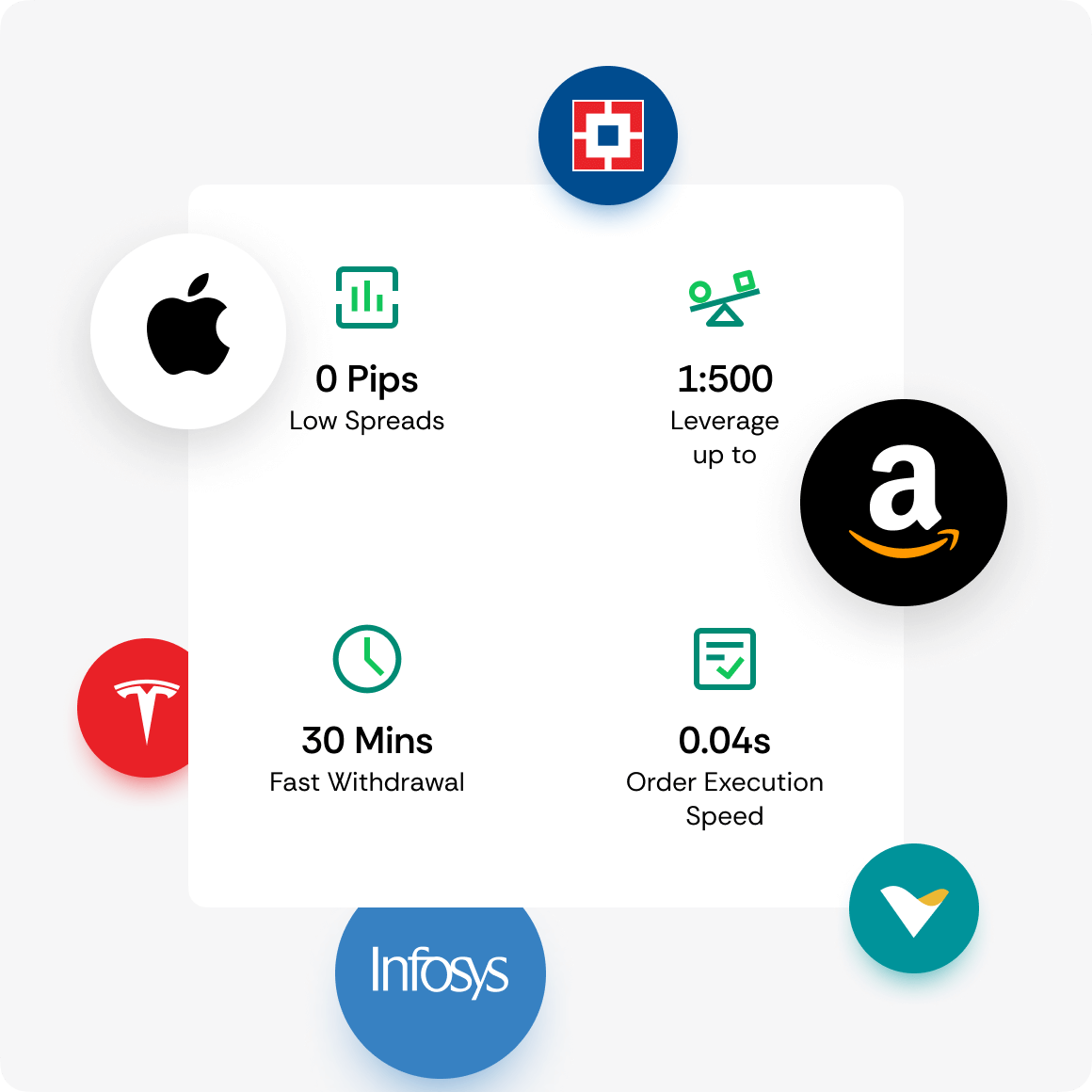
Learning through practice is often more effective than relying solely on books or educational content. Trading involves decision-making under changing market conditions, and experience plays a significant role in developing discipline. A simulated account enables traders to identify strengths and weaknesses while becoming familiar with platform features. This process helps reduce common beginner mistakes and creates a smoother transition into live trading environments.
Technology has significantly improved the trading experience over the past decade. Modern systems offer real-time price updates, advanced charting capabilities, and customizable indicators that help users analyze market conditions more effectively. These innovations allow traders to react quickly to opportunities while maintaining better control over their positions. Access to sophisticated tools has democratized trading and enabled individuals worldwide to participate in financial markets.
The rise of mobile accessibility has also contributed to the popularity of digital trading. Investors are no longer restricted to desktop computers and can monitor positions from virtually anywhere. Mobile compatibility allows traders to stay informed, execute trades, and review market developments while on the move. This flexibility is particularly important in markets that operate around the clock, where timely decisions can influence outcomes.
Risk management remains one of the most important aspects of successful trading. Even experienced traders recognize that protecting capital is essential for long-term sustainability. Learning how to set stop-loss levels, manage position sizes, and maintain emotional discipline can make a significant difference in performance. Practicing these techniques in a risk-free environment helps traders establish habits that contribute to more consistent decision-making.
Another important factor in trading success is education. Financial markets are influenced by economic data, geopolitical events, and investor sentiment, making continuous learning necessary. Many brokers and technology providers now offer educational resources, webinars, market commentary, and tutorials to support user development. Combining these resources with practical experience allows traders to build a deeper understanding of market behavior.
As traders gain confidence, they often begin exploring multiple asset classes. In addition to foreign exchange markets, opportunities may exist in commodities, indices, stocks, and other financial instruments. Diversification can help traders discover markets that align with their interests and strategies. Access to various instruments within a single environment simplifies the trading process and enhances convenience.
User experience is another key consideration when selecting a trading solution. A well-designed interface allows traders to focus on analysis and execution rather than navigating complex systems. Features such as customizable dashboards, intuitive order placement, and responsive performance contribute to a more efficient experience. Platforms that prioritize usability often attract both beginners and experienced traders seeking reliability.
Market analysis tools have become increasingly sophisticated. Technical indicators, economic calendars, and advanced charting features provide valuable insights that support informed decision-making. Traders can use these resources to identify patterns, monitor trends, and evaluate potential opportunities. Access to comprehensive analytical tools empowers users to make decisions based on data rather than emotion.
Community engagement has also become an important part of the modern trading environment. Many traders participate in online discussions, educational forums, and social trading communities where ideas and strategies are shared. These interactions create opportunities to learn from others while gaining different perspectives on market developments. Exposure to diverse viewpoints can help traders refine their approaches and adapt to changing conditions.
As financial technology continues to evolve, artificial intelligence and automation are becoming more common within trading environments. These innovations can assist with data analysis, market monitoring, and strategy execution. While technology can improve efficiency, successful trading still requires knowledge, discipline, and careful planning. Human judgment remains essential when interpreting market conditions and managing risk.
Choosing the right service provider is an important decision for any trader. Reliability, transparency, customer support, and educational resources should all be considered when evaluating available options. Quality online trading platforms provide the tools necessary for market participation while supporting traders throughout their learning journey. A strong combination of technology and customer-focused services can significantly enhance the overall experience.
As traders progress beyond the learning stage, many continue to use a demo account in forex to test new strategies and evaluate market ideas before applying them in live conditions. This practice helps maintain discipline and supports ongoing improvement. By continuously refining their methods, traders can adapt to evolving market conditions and strengthen their decision-making processes.
In conclusion, successful trading requires a balance of education, practice, technology, and risk management. The combination of modern tools and practical experience allows traders to build confidence and develop essential skills over time. Whether beginning with virtual funds or advancing toward more sophisticated strategies, traders can benefit from the resources offered by leading providers. Tradewill.com offers solutions designed to support traders at various stages of their journey, helping them navigate financial markets with greater confidence and efficiency. For those seeking long-term growth and continuous improvement, Tradewill.com represents a valuable resource in the evolving world of online trading.
.jpg)
Comments
Post a Comment